
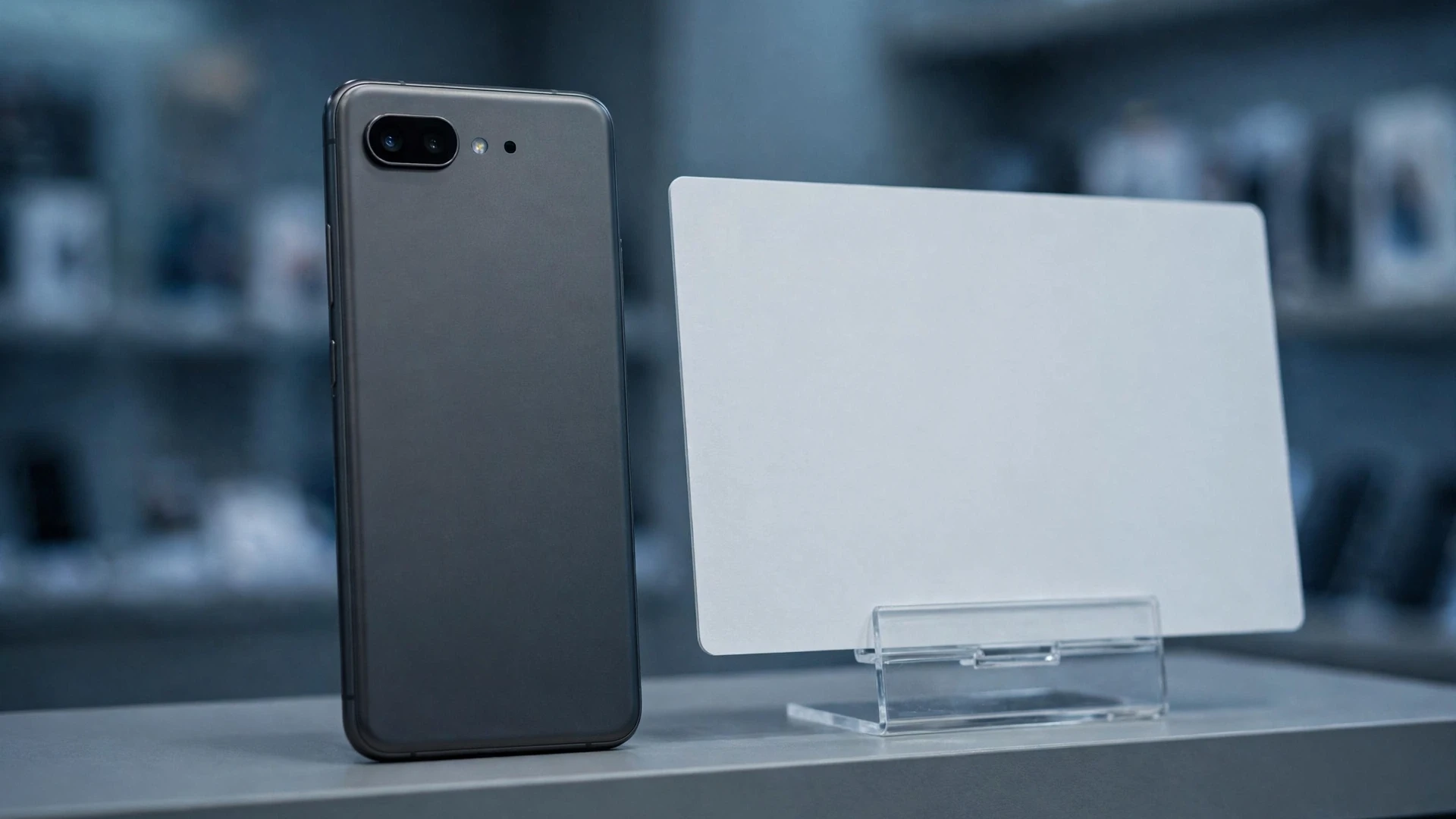
Apple has cut component orders for the iPhone 18 Pro and iPhone 18 Pro Max by at least 15 percent, according to a new report, as higher prices and soaring memory chip costs weigh on consumer demand. The iPhone 18 Pro order cut, reported by Nikkei Asia on Friday, suggests that Apple’s latest flagships are struggling to attract buyers at their higher price points just weeks after launch.
Sources familiar with the matter told Nikkei that Apple has told some suppliers to scale back component production for the two premium models. October orders were cut by at least 15 percent compared with what Apple originally requested, and an executive-level source said orders had fallen by 15 to 20 percent for both phones. The company has reportedly taken a more conservative approach to shipments since early September, around the time the new models were unveiled.
Apple has not commented on the report, and Reuters, which carried the story, noted that it could not immediately verify it independently. But multiple suppliers are said to have confirmed the reduced October orders, and Apple shares slipped nearly 2 percent in pre-market trading on Friday in response.
Why the iPhone 18 Pro order cut matters
The timing is striking. The iPhone 18 Pro and Pro Max only went on sale on 18 September, yet Apple is already pulling back. New iPhone launches usually trigger a surge in pre-orders that forces suppliers to ramp production up, not down. The opposite happening this year points to a softer response than Apple expected.
Two factors appear to be at work. The first is price. The iPhone 18 Pro starts at £1,199 in the UK and the Pro Max at £1,299, each £100 more than their predecessors, with top configurations reaching £2,499. Apple raised prices because it could no longer absorb the cost of memory chips, which have surged as AI data centres hoover up global DRAM and high-bandwidth memory supply. Samsung faces the same pressure, and we reported this week that it has slashed its own smartphone production by 30 percent because Galaxy phones are reportedly making no profit.
The second factor is the launch line-up itself. Apple staggered this year’s releases to make room for its first foldable, the iPhone Duo. There is no base iPhone 18 model this year, and the next iPhone Air has been postponed to a spring 2027 launch. Buyers who might once have upgraded to the cheapest new iPhone now have no cheaper option, and some are simply sticking with their current phones. Analysts have also pointed to quieter launch-day scenes than in previous years, with reports of smaller queues and softer pre-orders in key markets.
What this means for UK buyers
For UK shoppers, the order cut may turn out to be good news. If demand is genuinely weaker than Apple forecast, the pressure to maintain strict supply could ease, and retailers may become more generous with promotions and trade-in offers in the run-up to Christmas. There is no sign of an official price cut, and Apple rarely discounts its own products, but third-party retailers and carriers are already advertising the phones with financing deals, including Apple’s own 30-month 0 percent APR plan from £39.96 a month for the entry-level Pro.
That said, buyers should keep the bigger picture in mind:
- Prices are unlikely to fall while memory costs stay high, since the chip shortage is driving the price hikes in the first place.
- The staggered launch means anyone waiting for a cheaper iPhone 18 will have to wait until spring 2027.
- Trade-in values remain strong, with Apple offering up to £455 instantly for an iPhone 16 Pro or newer.
- Shares dipped on the news but are still up around 25 percent this year, near record highs, so investors are treating this as a supply adjustment rather than a collapse.
Apple’s memory problem is bigger than one phone
The iPhone 18 Pro order cut fits a wider industry pattern. Apple already raised iPad and MacBook prices in June, citing the same memory and storage cost pressure. Memory prices have jumped sharply, with some categories up more than 100 percent on last year, and AI demand shows no sign of cooling. Phone makers are left choosing between eating the higher costs, raising prices, or accepting lower volumes. Apple has chosen all three.
Nikkei also noted that softer device demand from late August into October could partly reflect Apple changing its launch schedule this year, so the order cut may not signal a deep collapse in iPhone demand so much as a cautious recalibration of inventory. Still, with the crucial Christmas quarter approaching, Apple will be hoping that the premium features of the 18 Pro, including its new camera system and expanded on-device AI, are enough to tempt buyers who are currently sitting out. If not, the wait for a better price may pay off.
For more on how the memory crisis is reshaping the phone industry, read our story on Samsung’s no-profit phones and production cuts.