
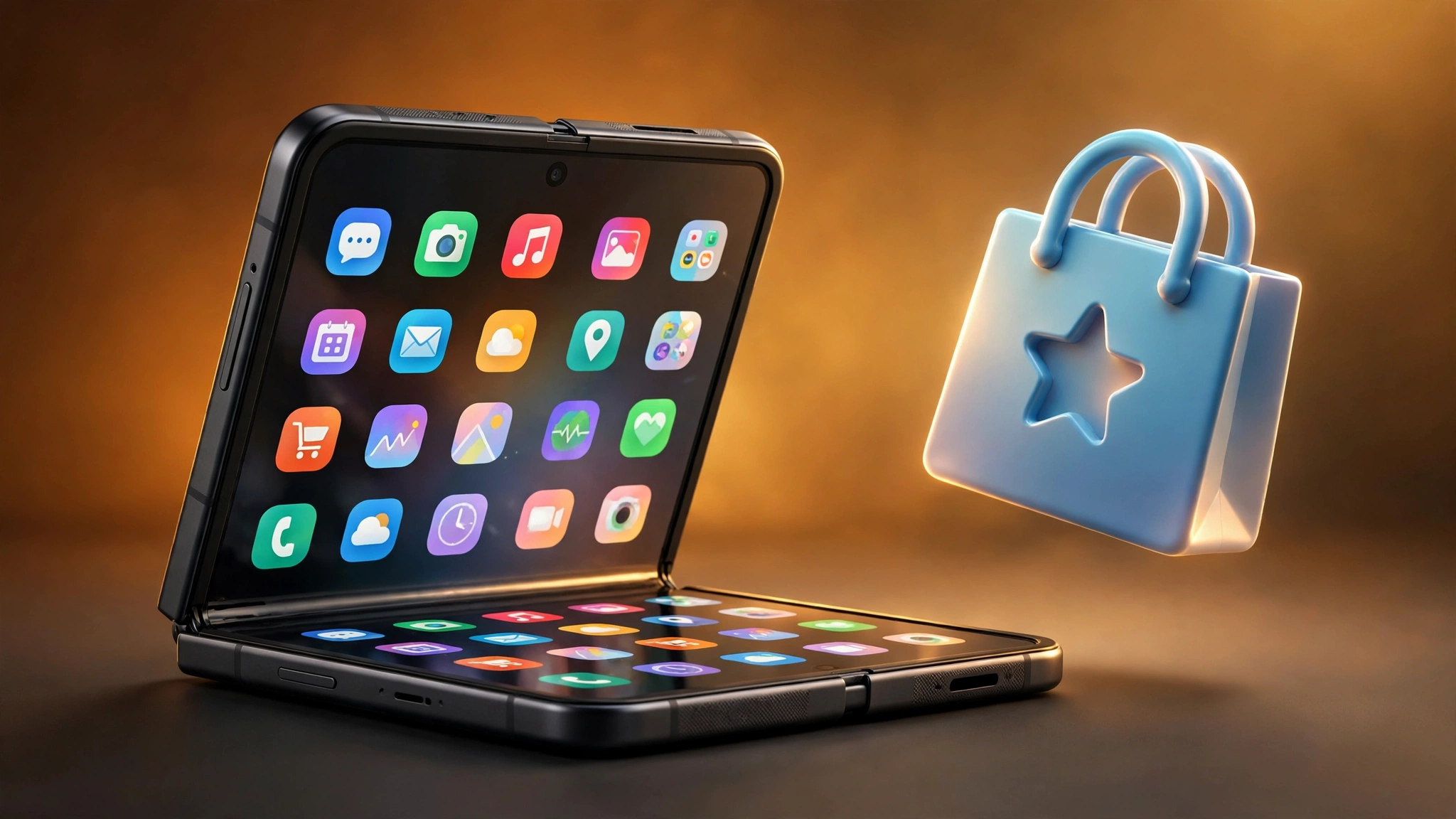
The iPhone Duo App Store is officially open for business. Apple has told developers they can now submit apps and games optimised for its first foldable iPhone through App Store Connect, giving software makers just over two weeks to get their apps ready before the device reaches customers on 23 October. Pre-orders are due to open on 16 October, with the phone priced from $1,999 in the United States.
This is a bigger deal than it might sound. A foldable lives or dies by its software: a 7.6-inch inner display is only useful if apps can stretch across it gracefully. By opening submissions early, Apple is trying to make sure the Duo does not launch with a library of apps that look lost on its biggest screen.
What the iPhone Duo App Store opening means for developers
In a developer notice published on 5 October, Apple asked developers to build or recompile their apps with Xcode 27.1, the version that adds development support for the iPhone Duo. Apple released the Xcode 27.1 release candidate on the same day submissions opened, so the tooling and the store pipeline arrived together.
Developers are being asked to test their apps in Xcode’s Device Hub, which previews how an interface behaves across the Duo’s different poses and orientations. That matters more than it does for a conventional phone, because a foldable changes shape while you are using it. An app that looks fine when the Duo is open might misbehave the moment you fold it shut mid-task, so Apple wants developers to verify every transition.
Apple is also offering design guidance, templates and workshops to help developers adapt. The company’s developer resources cover adaptive layouts, multiple displays and scenes, camera experiences and the different orientations the device supports. Apps that are built or recompiled with Xcode 27.1 will also earn a badge on their App Store product page marking them as optimised for iPhone Duo, which should help them stand out at launch.
How apps will look on the iPhone Duo inner display
Not every app will fill the Duo’s folding screen on day one, and Apple has been blunt about what happens to the ones that are not ready. How much of the inner display an app uses depends on which iOS SDK it was built with:
- Built with the iOS 26 SDK or earlier: the app runs in a centred area of the inner display, leaving unused space around it
- Built with the iOS 27 SDK: the app can expand across most of the inner display
- Built with the iOS 27.1 SDK or later: the app can use the full display area, with navigation and toolbars adapted to the foldable form factor
In practice, that means unoptimised apps will appear with black borders or as a phone-sized window floating in the middle of a much larger screen. On a device bought specifically for its big folding display, that is a noticeable drawback, and it is exactly why Apple is pushing developers to recompile now.
Apple’s guidance also makes clear that simply recompiling is not enough for a great result. Developers need to remove fixed dimensions and test resizing behaviour, so buttons and content do not get clipped or shift into awkward positions during the transition between folded and unfolded states.
The April 2027 deadline developers cannot ignore
To make sure the ecosystem keeps up, Apple has set a firm compliance milestone. Starting in April 2027, every app and game submitted through App Store Connect must include screenshots for iPhone Duo. Apple has already updated its screenshot and app preview specifications for the device, and a new preview tool in App Store Connect shows developers how their product page will look on the Duo.
The April 2027 rule applies to all submissions, not just brand-new titles, and from the same month iOS uploads must be built with the iOS 27 SDK or later. That makes dedicated iPhone Duo presentation assets the next confirmed compliance checkpoint for App Store developers, and it signals that Apple expects the Duo to be a permanent part of its lineup rather than an experiment.
What this means for UK buyers eyeing the iPhone Duo
For shoppers, the message is reassuring. Apple opening the App Store pipeline early suggests the company wants a healthy catalogue of Duo-ready apps waiting on launch day, not a slow trickle over the following months. If you are considering the foldable when it goes on sale on 23 October, the apps you rely on daily have a decent chance of looking right on the big screen from the start.
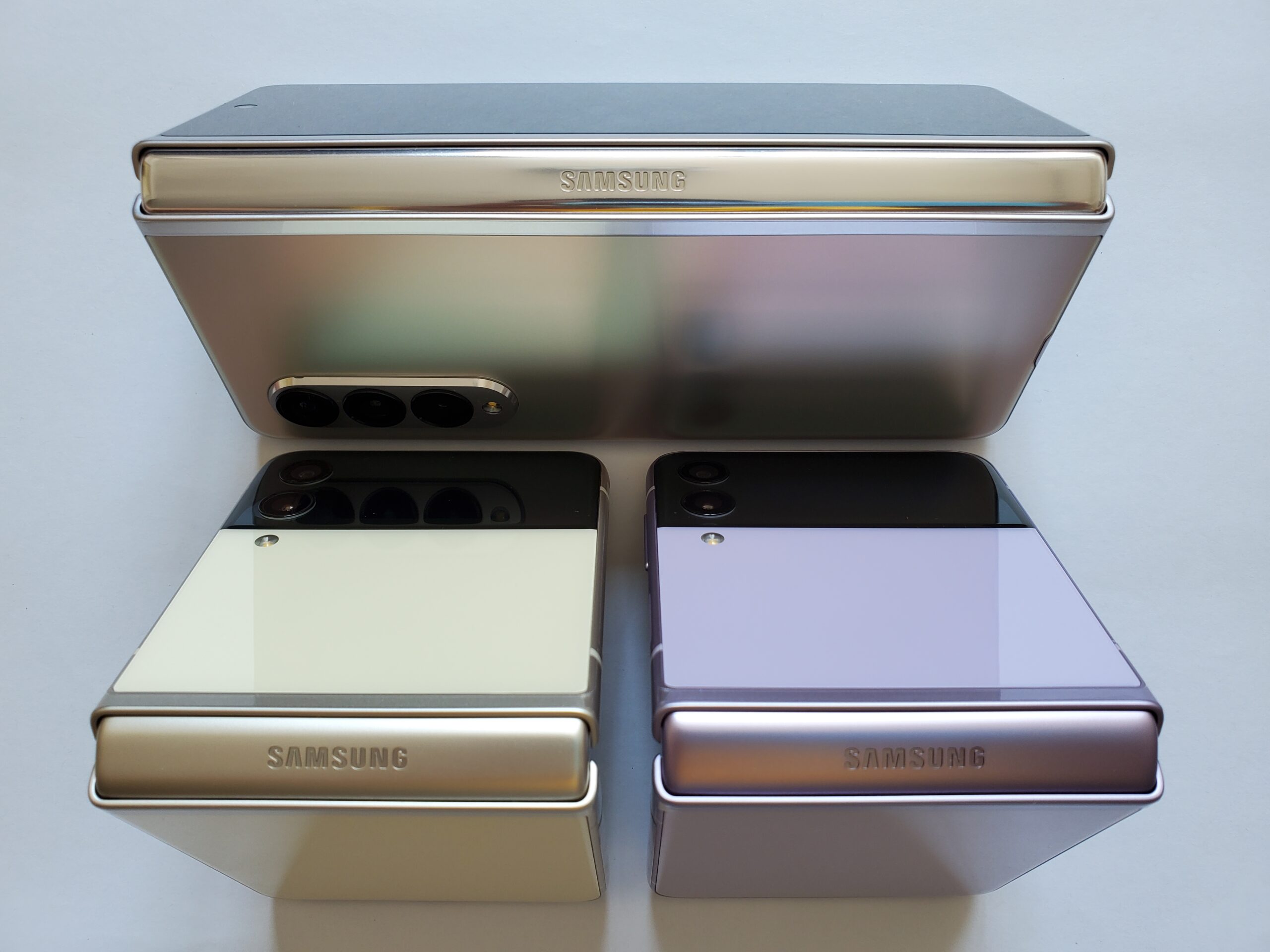
The Duo also arrives into a foldable market that Samsung has dominated for years. Apple is betting that its software ecosystem, rather than hardware novelty alone, will be what wins people over, which is a contest we have been tracking as Samsung pushes its own folding flagships, as in our Galaxy Z Fold9 leak roundup.
UK pricing for the iPhone Duo is still to be confirmed, but with US pricing starting at $1,999, expect it to sit firmly in ultra-premium territory when pre-orders open. The real question is whether developers do their part in the next two weeks. A foldable with black-bordered apps would be a hard sell at any price, and Apple clearly knows it.