
iPhone prices are set to rise again in 2027. Apple has reportedly agreed to pay a third more for memory chips next year, locking in the higher costs behind this autumn’s $100 iPhone price increases. With no relief in sight until at least mid-2028, UK buyers should brace for dearer iPhones for years to come.
According to supply chain reports, Apple has accepted 2027 DRAM pricing of $2 per gigabit from Samsung, up from $1.50 today. It is the clearest signal yet that the memory crisis reshaping the smartphone industry is getting worse, not better. Here is what we know.
Apple locks in pricier memory for 2027
The deal, first reported by Digitimes, commits Apple to significantly higher memory costs through next year. Industry forecasts suggest demand for DRAM will grow 36.2% while supply rises just 19.3%, widening the supply gap from 8.1% this year to 13.6% in 2027. Analysts expect the shortage to persist through at least the first half of 2028.
At $2 per gigabit, building an iPhone simply costs more, and Apple has shown it is no longer willing to absorb the difference. Another round of price increases in 2027 now looks inevitable, though Apple has not said how it will structure them.
The 2026 price rises that started it
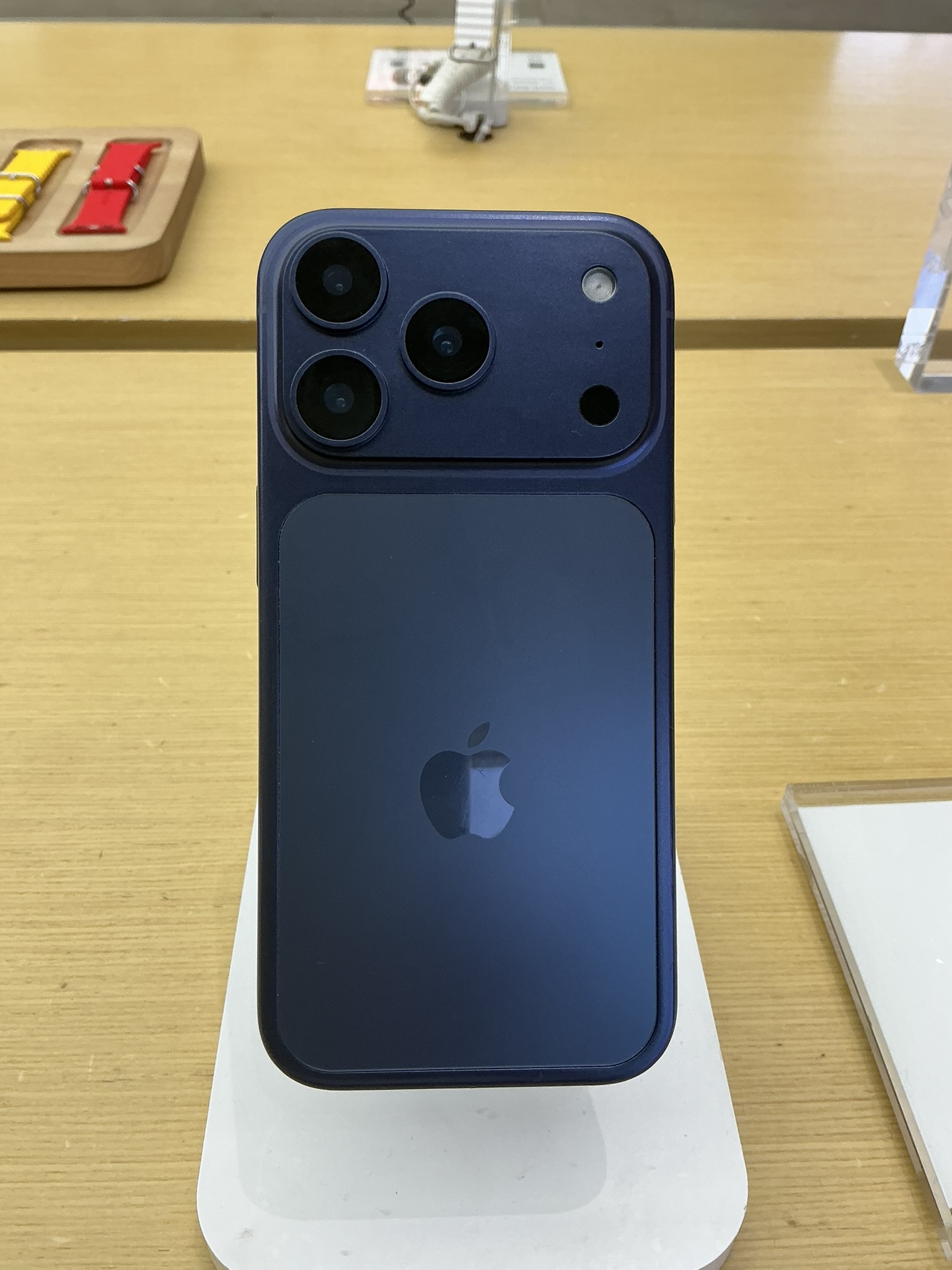
This year’s iPhone 18 Pro and Pro Max went on sale in September at $100 more than their predecessors, starting at $1,199 and $1,299. It was the first price move under new chief executive John Ternus, who succeeded Tim Cook on September 1 after Cook’s 15 years in charge.
More unusually, Apple also raised prices on its older models. The iPhone 16 now starts at $799, the iPhone 17e at $699, the iPhone 17 at $899 and the iPhone Air at $1,099. Traditionally, a new iPhone launch makes last year’s models cheaper. This year, patience was punished instead, and buyers in markets like India reportedly faced increases of around 20%.
Why memory costs are exploding
The numbers behind the crisis are stark. Research firm TrendForce estimates the memory inside a 256GB iPhone Pro now costs nearly 400% more than a year ago. NAND flash storage has climbed from around $13 to $51 per unit, while RAM has jumped from $39 to $145. Overall component costs for the iPhone 18 Pro are up an estimated 38%.
The AI boom is the culprit. Data centres built for AI training are devouring the world’s supply of high-end memory, leaving less for phones, tablets and computers, at far higher prices. Former Apple boss Tim Cook described the situation as a hundred-year flood on memory pricing and warned that the increases being passed to Apple had become unsustainable.
The strain is visible at checkout too. New iPhone 18 Pro orders currently face waits of around three weeks, an unusually long delay blamed partly on memory-constrained supply.
What it means for UK iPhone buyers
Apple has not confirmed UK-specific pricing for any 2027 increases, but the pattern is clear. When US prices rise by $100, British prices invariably follow, and the September increases applied across Apple’s global store. With Apple now committed to costlier chips through 2027, UK buyers should expect the next iPhone launch to start higher than this year’s models.
The company’s monthly Upgrade programme may soften the psychological blow by spreading costs, but the total paid will keep climbing. Budget-conscious buyers can no longer count on older models getting cheaper, either.
Samsung faces the same crisis
Apple is not alone. Samsung quietly raised Galaxy S26 prices in the UK by £80 this month, with the 1TB Ultra jumping £330, blaming the same memory shortage. With both giants passing costs to customers, the era of stable flagship pricing looks over.
For anyone planning an upgrade, the message is consistent across both camps: buy sooner rather than later, because next year’s phones will almost certainly cost more.