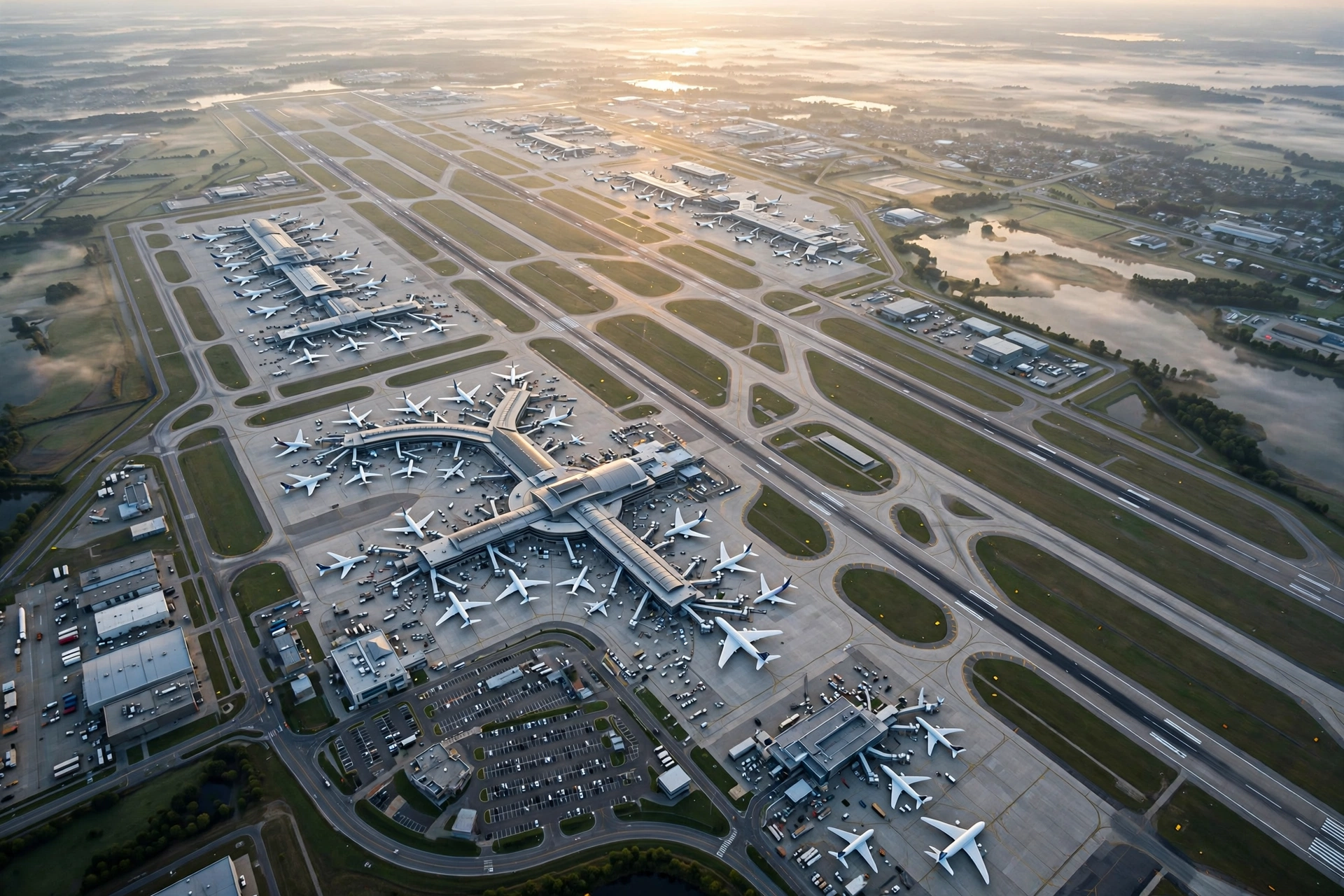

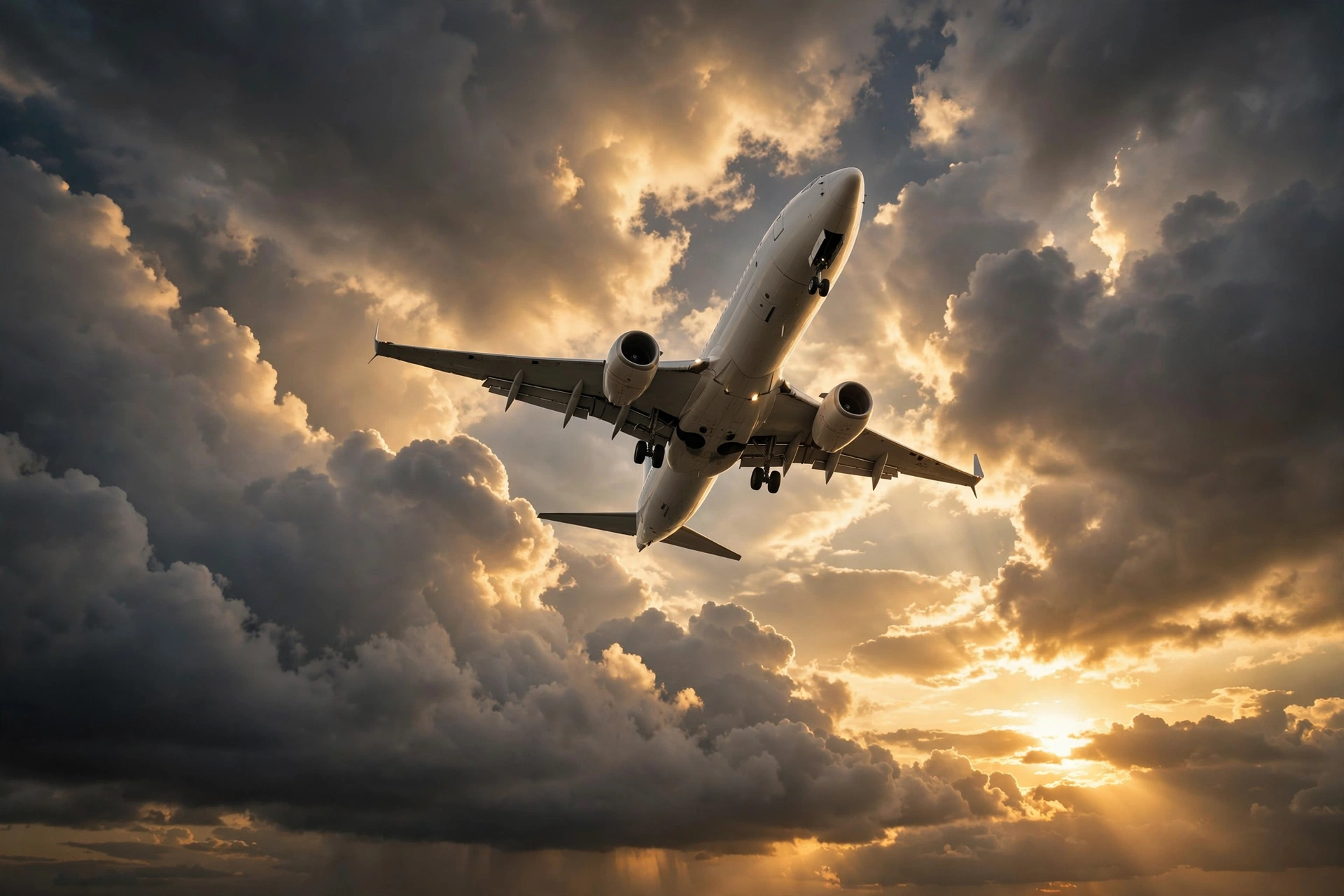
British Airways flight BA295, a Boeing 777-200 scheduled from London Heathrow to Chicago O’Hare, returned to Heathrow after making an emergency descent of 28,000 feet shortly after departure.
The descent was a precautionary rapid descent following a pressurisation issue, a standard safety procedure that pilots train for regularly. The aircraft landed back at Heathrow safely and was met by emergency services as a routine precaution. No injuries were reported.
What is an emergency descent?
A rapid or emergency descent is a controlled manoeuvre where pilots descend quickly to an altitude where the air is breathable, typically around 10,000 feet, following a pressurisation problem. It looks dramatic on flight trackers but is one of the most practised procedures in aviation.
What happened to passengers
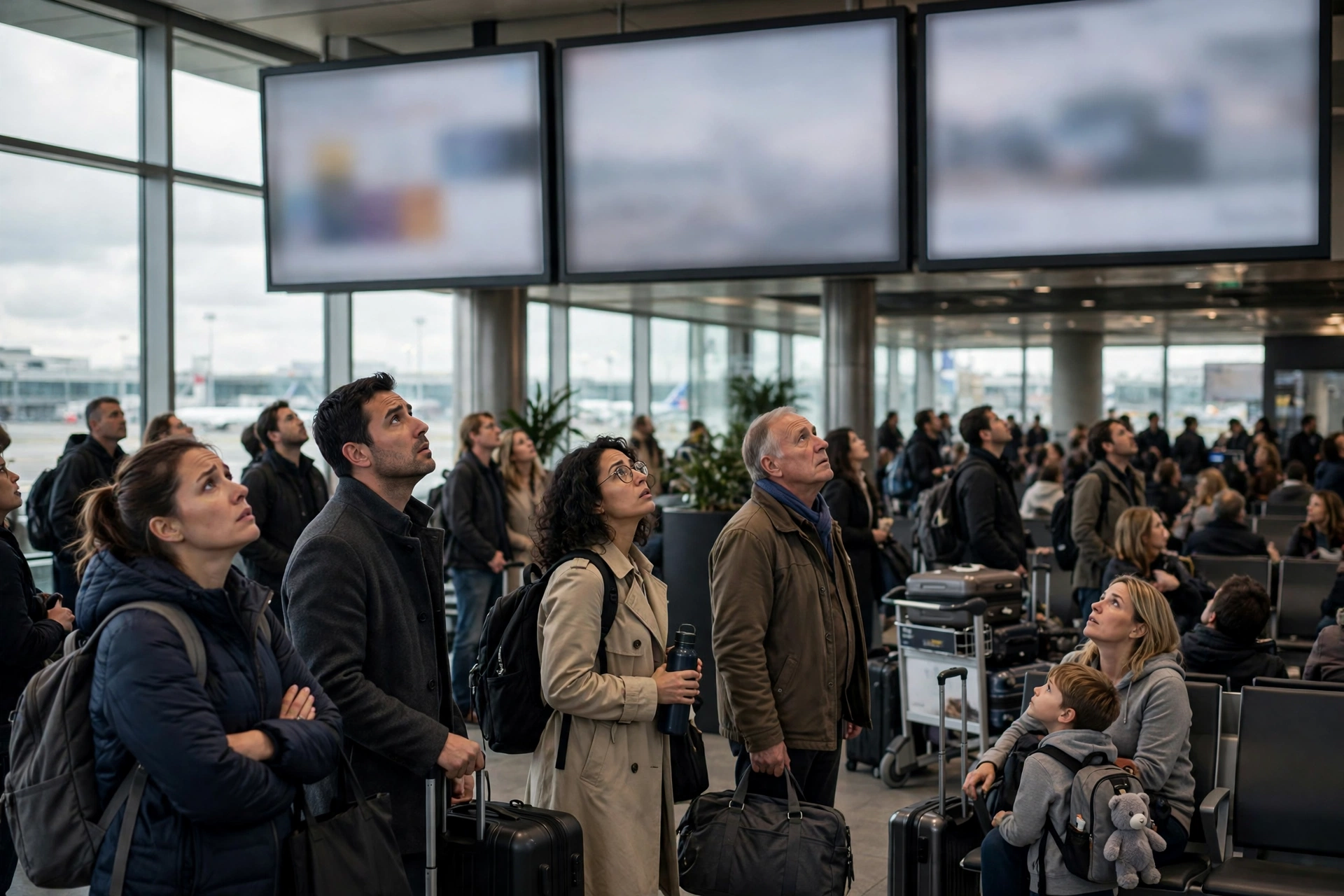
Passengers on BA295 would have been rebooked onto later services to Chicago. British Airways’ policy in such events is to reaccommodate passengers on the next available flight, with care including meals and, where an overnight stay is needed, hotel accommodation.
What to do if your flight diverts or returns
- Stay seated and follow crew instructions; a return to base is the safest option
- Keep your boarding pass and booking reference handy for rebooking
- If you face an overnight delay, ask the airline about hotel and meal provision
- You may be entitled to compensation under UK261 if the delay is within the airline’s control and you arrive more than 3 hours late, unless the cause was an extraordinary circumstance
The aircraft involved will undergo full engineering checks before returning to service. Safety remains aviation’s non-negotiable priority, and a precautionary return is always the right call.