

Apple’s 2026 Pro phones arrived in the UK on 18 September, and the standard Pro model is the one most enthusiasts should look at. The iPhone 18 Pro keeps the familiar 6.3 inch size, adds a genuinely new camera system with variable aperture, runs cooler under pressure thanks to redesigned cooling, and lasts noticeably longer on a charge. It also costs £1,199, which is £100 more than the iPhone 17 Pro did at launch, and its headline software feature is still finding its feet.
That mix of real hardware progress and unfinished software defines this phone. Let us work through it properly.
Price and availability in the UK
The iPhone 18 Pro starts at £1,199 with 256GB of storage. The larger iPhone 18 Pro Max starts at £1,299. Both come in Black, Silver, Glacier and a new Burgundy finish, with 256GB, 512GB, 1TB and 2TB storage options. The top 2TB Pro Max costs £2,499, so the price steps up quickly if you need maximum storage.
Both sizes cost £100 more than their predecessors did at launch. Apple points to a global memory shortage as part of the reason, and that squeeze is expected to keep phone prices elevated across the industry this year.
You can buy it SIM free from Apple and major UK retailers, and on monthly contract from EE, O2, Vodafone and Three. Contract pricing varies between networks, so it is worth comparing their sites if you would rather spread the cost.
Design and cooling, same shape with a new engine room
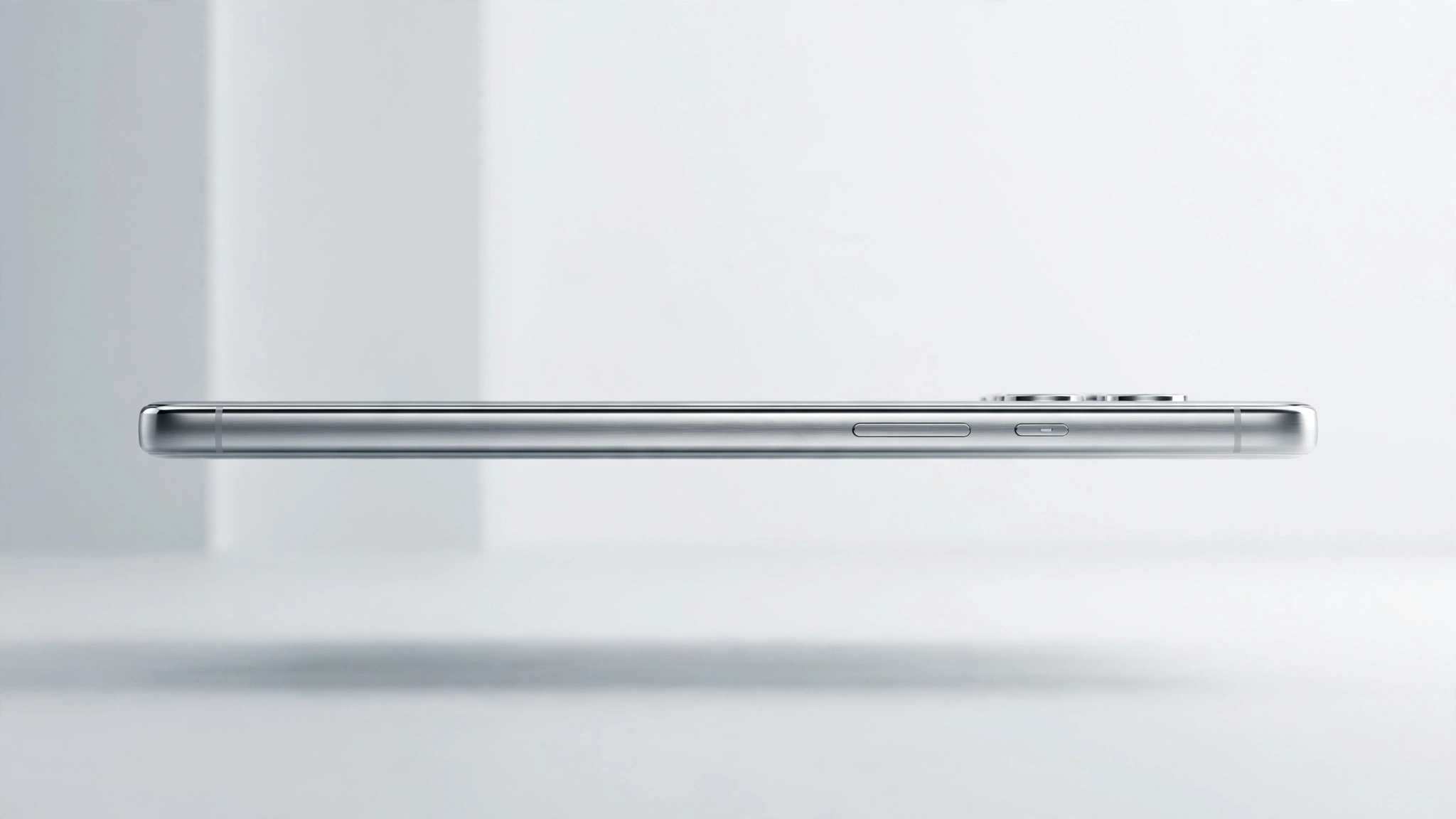
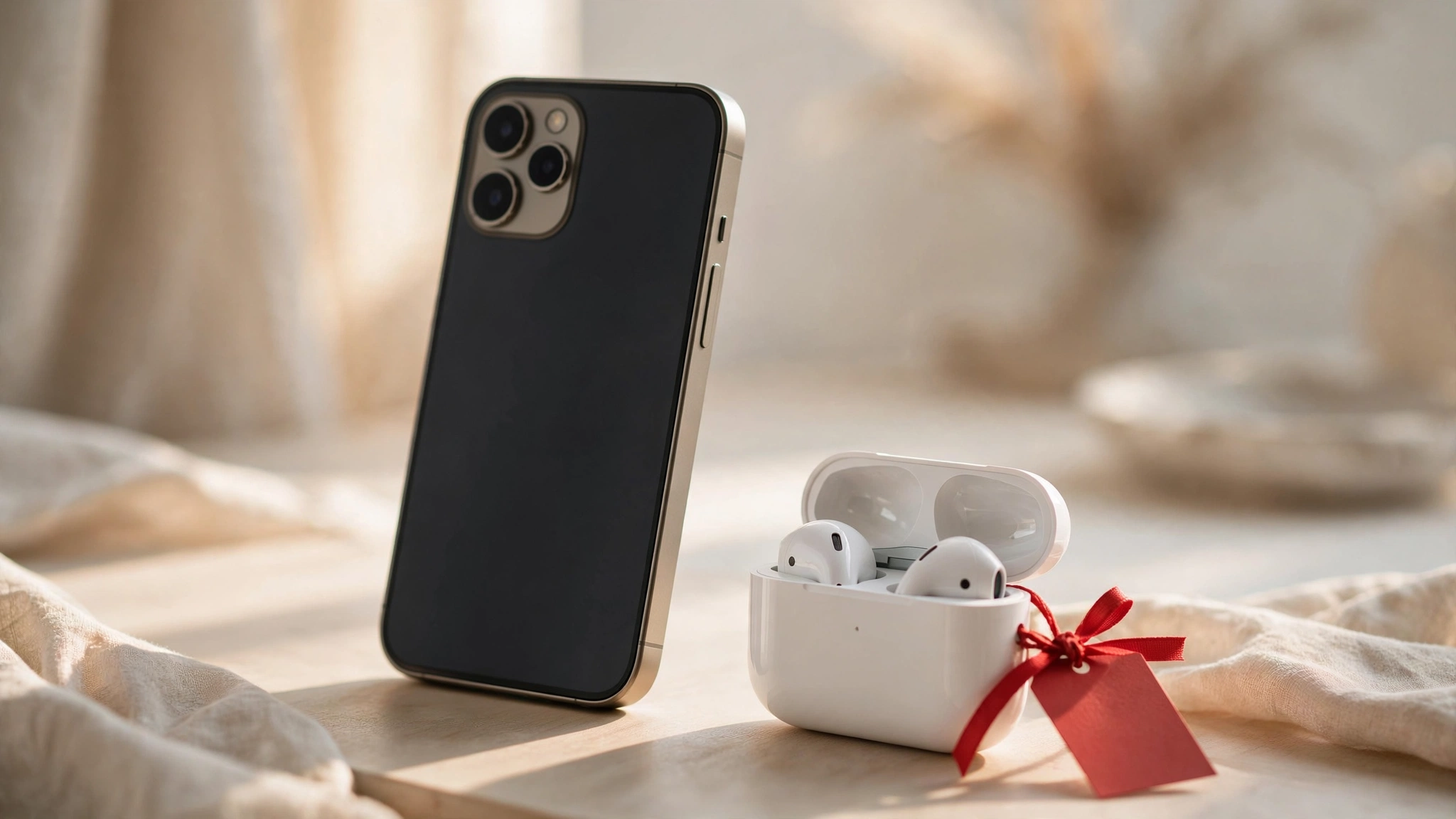
From the outside, very little has changed. The aluminium unibody and the raised camera plateau carry straight over from the iPhone 17 Pro. The front is Ceramic Shield 2, which Apple says has three times the scratch resistance of the iPhone 16 Pro, and the back is Ceramic Shield. Both phones are rated IP68, meaning they survive 6 metres of water for up to 30 minutes.
The Pro weighs 211g and measures 150 by 71.9 by 8.75mm. It is a touch heavier than before, and the top half carries a bit more of that weight because of the cameras. One handed use is fine, but the 249g Pro Max is a serious handful, so try it in a shop before committing to the bigger size.
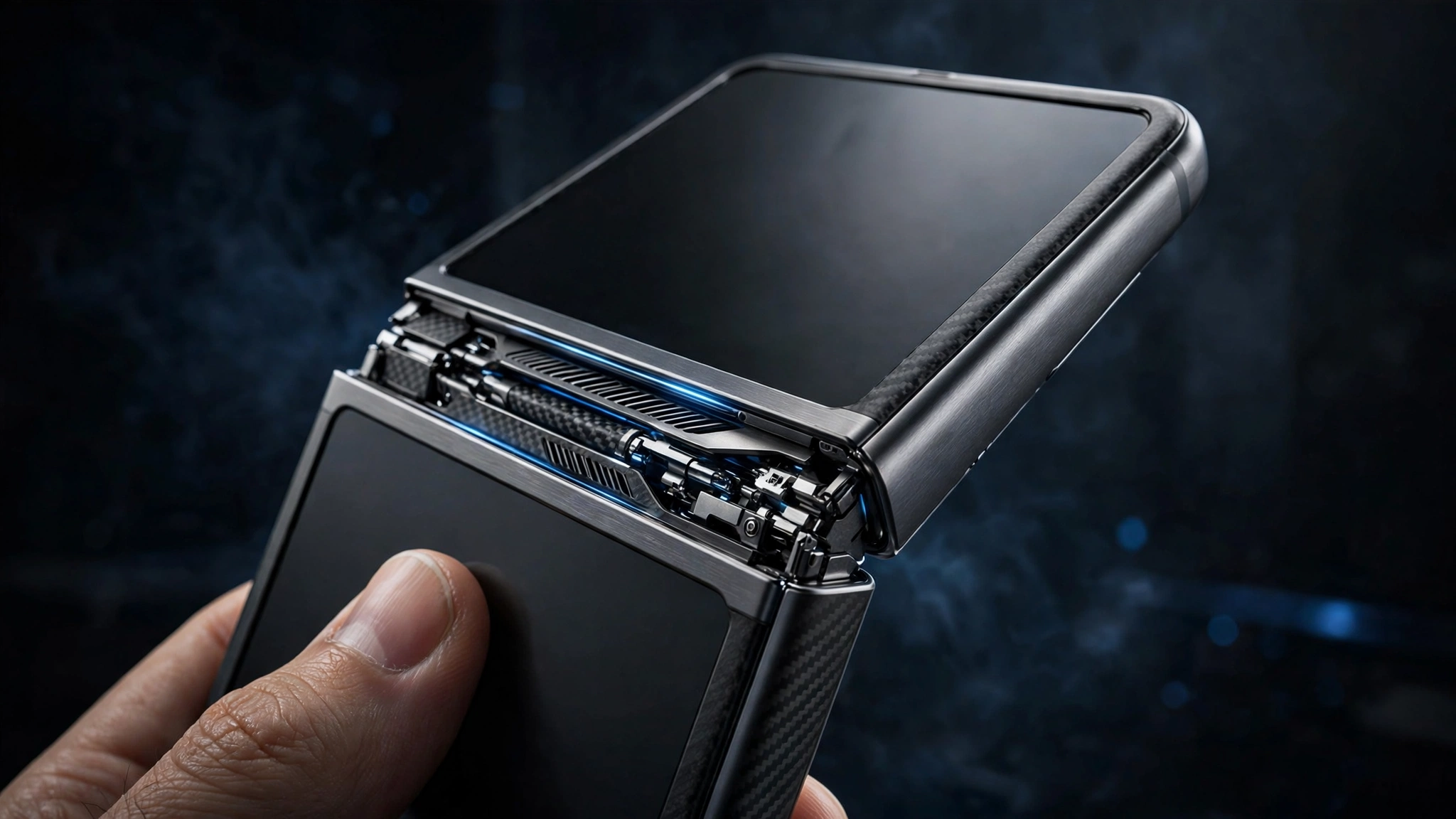
The real change is inside. Apple has moved the memory so it sits beside the A20 Pro chip instead of on top of it, taking the memory out of the path the heat travels. The chip then sits directly on a new vapour chamber with three times the surface area of the one in the 17 Pro. Apple claims up to 40 per cent better sustained performance. In plain terms, long gaming sessions, video exports and on device AI tasks should hold their speed for longer before the phone throttles itself to cool down.

Display, brighter outdoors with a smaller Dynamic Island
Both screens are Super Retina XDR OLED panels with ProMotion up to 120Hz and an always on mode. Apple quotes 1,000 nits of typical brightness, 1,600 nits for HDR video, 3,000 nits outdoors and a minimum of 1 nit. There is also a new anti reflective coating, which helps most in direct sun where glare usually washes out a phone screen.
The coating makes a genuine difference outdoors without transforming the experience. It is a refinement rather than a revolution, and it will be interesting to see how it holds up after months of pockets and cleaning cloths.
The Dynamic Island is smaller this year and can now show up to three Live Activities at once, so a football score, a delivery and your music can all sit there together. Face ID still lives inside it. Resolution stays at 460 pixels per inch on both sizes.

Camera, variable aperture finally arrives on iPhone
The camera is the biggest upgrade. The 48MP Fusion Main camera has a variable aperture for the first time on an iPhone. Six laser cut blades move between four settings, f/1.48, f/1.8, f/2.8 and f/4.0, and the camera picks one automatically. At f/1.48 it lets in the most light, which Apple says gives around 50 per cent better low light performance and faster Night mode shots. At f/4.0, more of the scene stays sharp, so the back row of a group photo is less likely to blur.
You can also take control yourself. New Pro controls put aperture, shutter speed, white balance and a live histogram in the Camera app, and you can move your favourite settings to the top. Photographic Styles 3 adds texture and grain alongside tone and colour. Until now, serious manual control on an iPhone meant a third party app, so this closes a real gap with Android rivals.
The rest of the system is all 48MP. The Fusion Ultra Wide has an f/2.2 lens and also handles macro. The Fusion Telephoto is a 100mm equivalent at 4x, rated as 8x optical quality, with digital zoom up to 40x. The front camera is an 18MP Center Stage unit. Apple has also added smart focus tracking, which holds focus on a subject even if they leave the frame and come back.
One easy to miss addition is Apple Reference Image. In a new Reference mode, the camera signs the sensor data as it shoots, and the Photos app keeps an unalterable copy beside your photo. Anyone can then compare the two and see whether the picture has been edited. Apple pitches it at photojournalists and photographers whose pictures have to be trusted, and it is a genuinely thoughtful feature in an era of AI generated imagery.

Performance, the A20 Pro and Apple’s own modem
The A20 Pro is built on a 2 nanometre process. Its 6 core CPU has two performance cores, which Apple calls super cores, plus four efficiency cores. The 7 core graphics processor is up to 40 per cent faster than the A19 Pro, according to Apple. There is also a dual 16 core Neural Engine, 32 cores in total, which Apple says doubles the AI processing power of the previous chip, and memory bandwidth is up 50 per cent.
The practical gain is headroom. This phone should still feel quick in four or five years, and demanding games will run longer before the chip throttles. Apple’s own C2 modem is in both UK models too. Apple says it uploads up to 50 per cent faster than the C1X in selected markets and uses less battery. Wi-Fi 7 and Bluetooth 6 come from Apple’s N1 chip.
Battery, the best Pro battery yet but mind the fine print
Here is the important context for UK buyers. Apple’s launch headline of up to 36 hours of video on the Pro and 45 hours on the Pro Max applies to eSIM only models, which have no physical SIM tray. Apple sells those in the US, Canada, Japan and nine other markets, but not in the UK. UK models keep the physical SIM tray, and the UK figures are a little lower.
For the iPhone 18 Pro, Apple’s UK specifications list up to 23 hours of typical use, up to 34 hours of video playback and up to 31 hours of streamed video. The Pro Max goes up to 29 hours typical, 43 hours of video and 38 hours streamed. Independent lab testing that browses websites over a mobile connection until the battery dies found the Pro lasted 16 hours 17 minutes, about 6 per cent more than the iPhone 17 Pro generation. So 17 Pro owners should expect a bit more battery rather than a transformation, while anyone upgrading from an older phone will feel a big jump. In real world use, the Pro comfortably lasts a full day of heavy use, and light users can stretch it to two days.
Charging has sped up too, but only with the right plug. Apple says both models reach 50 per cent in around 15 minutes with a 60W or higher adapter that supports Adjustable Voltage Supply, which is sold separately since the box only has a USB-C cable. MagSafe and Qi2 wireless charging both run at up to 25W.
Siri AI on iOS 27, promising but not ready
Siri AI is the headline software feature, and it is the least finished part of the phone. It is available in the UK in English as a beta. You sign up through Settings, then Siri, then Try Siri AI, which puts you on a waitlist. It is not available on iPhone in the EU, and Apple applies daily usage limits on server based features, warning that expanded access will cost money in the future.
Early experience is mixed. The new Siri is more chatty and the standalone Siri app lets you resume chats, though not all of them, which looks like a beta fault. But complex real world tasks still stumble. Ordering a taxi failed in testing, and adding a calendar event timed out repeatedly before landing on the wrong day. Compared with dedicated AI assistants it feels slower and less capable.
One thing matters if Siri AI is your reason to upgrade. You do not need an iPhone 18 Pro to get it. It also runs on the iPhone 15 Pro and 15 Pro Max, every iPhone 16 model and later, and the iPhone Air, as long as the device and Siri language are both set to English. Do not buy new hardware just for this feature.
Should you buy it
The iPhone 18 Pro is the most complete iPhone Apple has made, and the camera upgrade is genuinely meaningful for anyone who photographs their life. The variable aperture is a first for iPhone, the Pro controls close the gap with Android rivals, the battery is the best on a Pro yet, and the new cooling means sustained performance holds up.
But it is an awkward upgrade for some. iPhone 17 Pro owners get the same design, Siri AI they already have, a modest battery gain and a camera upgrade that matters only if they shoot manually or in low light. The £100 price rise stings, and Siri AI feels at least a year away from fulfilling its promise.
Our verdict is this. If you are coming from an iPhone 15 Pro or older, this is an easy recommendation and the best iPhone most people can buy right now. If you own a 17 Pro, keep it for another year unless the variable aperture camera is calling your name. And if budget matters, the cheaper models in the range, or a discounted iPhone 17, still offer most of the experience for a lot less money.