

Smartphone prices have climbed so far this year that most buyers have noticed, and a growing number are simply refusing to pay full price. New research from Counterpoint shows that 63% of people planning to buy a smartphone in the next six months have seen prices rise, while half say they will wait for festive or holiday sales before they buy.
It is not hard to see why shoppers are holding back. Memory chip costs driven by AI data centre demand have pushed handset prices up across the board. Samsung raised Galaxy S26 prices at the start of October, Apple added $100 to the iPhone 18 Pro and Pro Max, and analysts now expect the upward trend to continue into next year.
Why smartphone prices keep rising
The root cause is memory. Technology companies building AI data centres have been buying up advanced chip making capacity and memory chips in huge volumes, creating shortages that ripple through to the phones in our pockets. Counterpoint research director Tarun Pathak says rising memory costs are pushing smartphone prices higher and leaving manufacturers with limited room to absorb the impact themselves.
Counterpoint’s Global Smartphone Price Hike Report puts stark numbers on the trend. The firm expects prices of existing smartphone models to be up by 20% on average worldwide by the end of 2026, with newly launched models up to 30% more expensive than their predecessors were a year ago. Those are dramatic increases in a market where many buyers already keep their phones for three years or more.
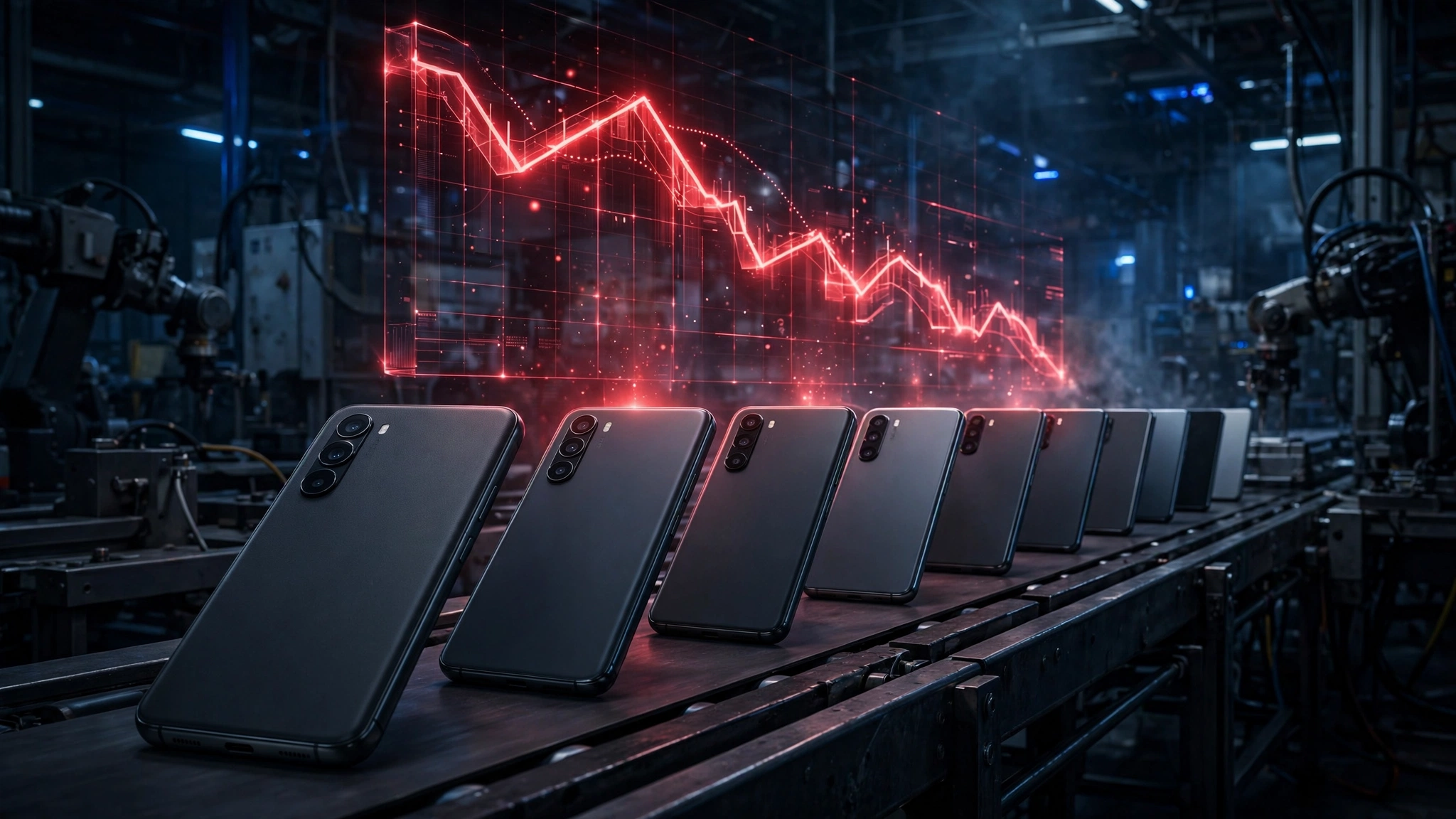
We have seen the effect up close in recent weeks. Samsung’s Galaxy S26 range went up in price this month, as we covered in our Galaxy S26 price hike breakdown for UK buyers, while Apple’s $100 increase on the iPhone 18 Pro has already cooled demand enough for the company to cut component orders by at least 15%. Higher prices are doing exactly what higher prices do.
UK buyers are waiting for the sales
Shoppers, unsurprisingly, are adapting their behaviour. Counterpoint found that 50% of consumers who plan to buy a smartphone within the next six months intend to wait for festive or holiday sales before committing. In the United States, 54% said they plan to make their purchase around Black Friday, and the UK picture is likely to be very similar.
Black Friday falls on 27 November this year, and British retailers have turned it into one of the biggest phone deal events of the calendar, alongside the Christmas and January sales. For anyone eyeing a Galaxy S26 or an iPhone 18 Pro, waiting another six weeks could mean a meaningful saving on exactly the same handset.
The logic is simple. Manufacturers have raised their prices, demand has softened in response, and retailers still need to hit their Christmas numbers. That combination has historically produced some of the deepest phone discounts of the year, and there is already evidence that retailers are willing to cut aggressively to keep volumes moving.
Retailers are already undercutting the price rises
We do not have to wait until November to see the pattern. During this week’s Prime Big Deal Days on 8 and 9 October, retailers slashed Galaxy S26 Ultra prices well below Samsung’s post hike levels, with some listings showing the 256GB model near $950 and discounts of up to $450 with no trade-in required. Samsung’s own store matched many of the cuts.
That is a remarkable turnaround for a phone whose price had just gone up. It shows how quickly the market is adjusting: official prices rise, shoppers hesitate, and retailers step in with promotions to keep phones moving. For patient buyers, the message is encouraging. The discounts are already appearing, and Black Friday should bring more of them.
How to buy smart this Black Friday
If you are planning to hold out for the sales, a little preparation now will help you spot the genuine bargains:
- Track the price of the exact model and storage size you want today, so you can recognise a real deal.
- Check trade-in values early, since they can fall once new promotions land.
- Compare SIM free prices against contract deals, as UK networks often discount handsets heavily around Black Friday.
- Do not overlook last year’s flagships. They often see the deepest cuts and still get years of software updates.
- Be wary of inflated “was” prices. Some discounts are measured against prices nobody was actually charging.
It is also worth remembering that prices rarely return to where they were a year ago, even after the sales. Analysts at IDC have warned that while sellers may discount to clear unsold stock, the underlying cost pressure from memory chips is not going away. A good Black Friday deal may be the closest prices get to normal for some time.
What it means for Galaxy and iPhone buyers
The price pressure is unlikely to ease soon. Counterpoint expects the increases to run through the end of 2026 and possibly into 2027, and a weaker economy could depress demand further through next year. Rising prices plus softer demand usually ends in one place: bigger discounts when retailers need to shift stock.
For UK buyers, the takeaway is straightforward. Unless you need a new phone today, waiting for Black Friday and the Christmas sales looks like the smartest move of the year. The manufacturers have raised their prices. The sales will, in all likelihood, bring them back down.