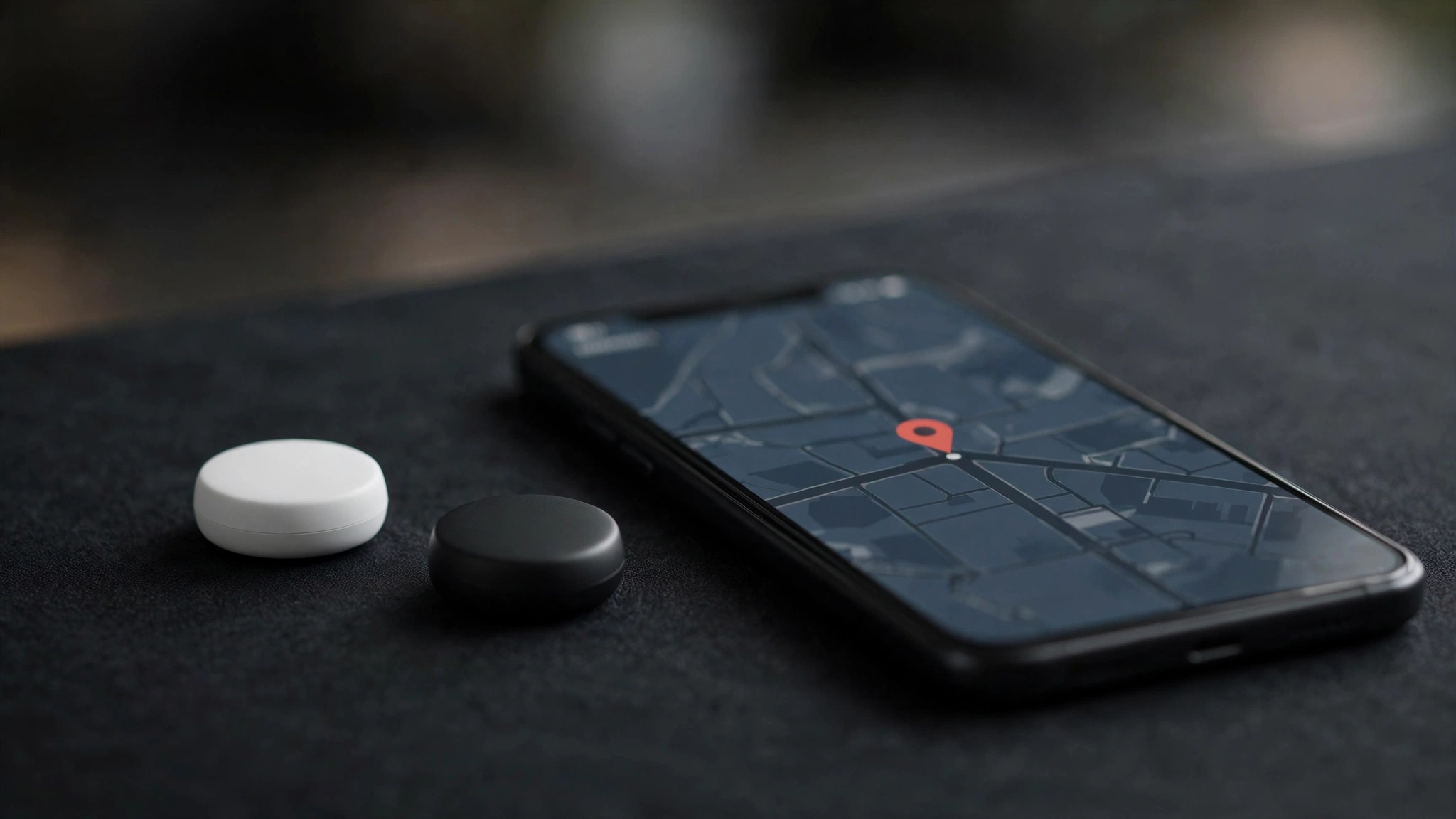

Galaxy SmartTag3 Android support has taken a sharp and sudden U-turn. Just days after Samsung appeared to confirm that its new tracker would work with non-Galaxy Android phones, the company has reversed course. According to an updated statement sent to PhoneArena on 7 October, the SmartTag3 “currently connects to and works only with Galaxy devices among Android smartphones, and there are currently no plans to support other Android devices.” Pixel owners and everyone else on Android are, once again, on the outside looking in.
The reversal is especially awkward because Samsung’s own earlier statement pointed the other way. When the SmartTag3 was unveiled on 30 September, Samsung announced cross-OS support for “Galaxy and iOS devices,” and on 5 October the company told PhoneArena directly that the tracker was “compatible with other Android devices that have access to the Google Play Store to download the SmartThings and Samsung Find apps.” That answer lasted barely 48 hours before being walked back.
How the Galaxy SmartTag3 Android support story changed in days
The timeline is short enough to tell in full. At launch, the headline feature was iPhone compatibility, a first for Samsung’s tracker line, and Samsung said little about other Android brands. When journalists asked whether Pixel and other Android phones were included, the initial answer was yes: install SmartThings and Samsung Find from the Play Store and you were in.
That was the answer many Android users were celebrating. It meant a Samsung tracker could finally compete head-on with Google’s own Find Hub trackers on any Android phone, not just Samsung’s. Households mixing a Pixel and a Galaxy could share tags across the whole family.
Then came the updated statement on 7 October, narrowing compatibility to Galaxy devices only, with “no plans” to widen it. No explanation was offered for the change. Samsung simply replaced the earlier promise with a firm no, restoring the Galaxy-only walled garden that every previous SmartTag generation had lived behind.
What this means for Pixel and other Android owners
For anyone carrying a Pixel, a OnePlus, a Motorola or any other non-Samsung Android phone, the SmartTag3 is now effectively not an option. The tracker itself is a solid piece of hardware: roughly 35 percent smaller by volume and 33 percent lighter than its predecessor, with Samsung claiming up to 550 days of battery life under standard use, or 790 days in Power Saving Mode. None of that matters if your phone cannot pair with it.
The situation is made more frustrating by the asymmetry Samsung has created. An iPhone owner can now buy a SmartTag3 and use core finding and sharing features, as we covered in our earlier look at the tracker’s iPhone support and its limits. A Pixel owner, on the same open Android platform Samsung’s own phones run on, cannot. That is a deliberate commercial choice, not a technical one, and it is worth calling it what it is: ecosystem lock-in.
Galaxy owners, meanwhile, lose nothing. The SmartTag3 plugs into the Galaxy Find Network, which crowdsources sightings from participating Galaxy devices to locate tags beyond Bluetooth range, and it keeps features like Compass View on supported handsets. If everyone in your house carries a Samsung, the U-turn changes nothing for you.
Why Samsung may have changed its mind
Samsung has not said why it reversed the broader Android pledge, but a few explanations suggest themselves. Supporting the SmartThings and Samsung Find apps across the fragmented Android ecosystem is expensive, and the Find Network’s value depends on device density, which Samsung can guarantee only on its own phones. A half-hearted rollout on Pixel devices could have produced a worse experience, with weaker crowdsourced finding and inconsistent alerts, and bad reviews would have landed on the tracker rather than on the network.
There is also the competitive angle. Google’s Find Hub network now runs on hundreds of millions of Android phones and keeps getting better. Samsung may have decided that lending its tracker to rival Android platforms was giving away the one hardware advantage that keeps some buyers inside the Galaxy ecosystem, all for users who were never going to switch phones anyway.
Whatever the reason, the pattern is now familiar: launch with a broad compatibility promise that generates goodwill and headlines, then quietly narrow it once the story has moved on. Anyone who ordered a SmartTag3 for their Pixel on the strength of that 5 October statement will understandably feel misled.
Your tracker options if you do not own a Galaxy
If you carry a non-Galaxy Android phone and still want a Bluetooth tracker, you have plenty of alternatives. Here is how the landscape looks after Samsung’s U-turn:
- Google Find Hub trackers: native support on virtually every Android phone, with the network improving as more devices opt in
- Chipolo and Pebblebee: third-party tags built directly for Google’s network, with no brand restrictions
- Apple AirTag: still the best choice if you live in an iPhone-only household, with the densest finding network on the planet
- Galaxy SmartTag3: worth considering only if you own a Galaxy phone, or an iPhone if you accept the iOS feature limits
The irony is hard to miss. The SmartTag3 was supposed to be the tracker that finally broke down platform walls. Instead, after one of the fastest policy reversals in recent gadget memory, it has rebuilt them, and Android’s biggest non-Samsung audience is back where it started: shopping elsewhere.