
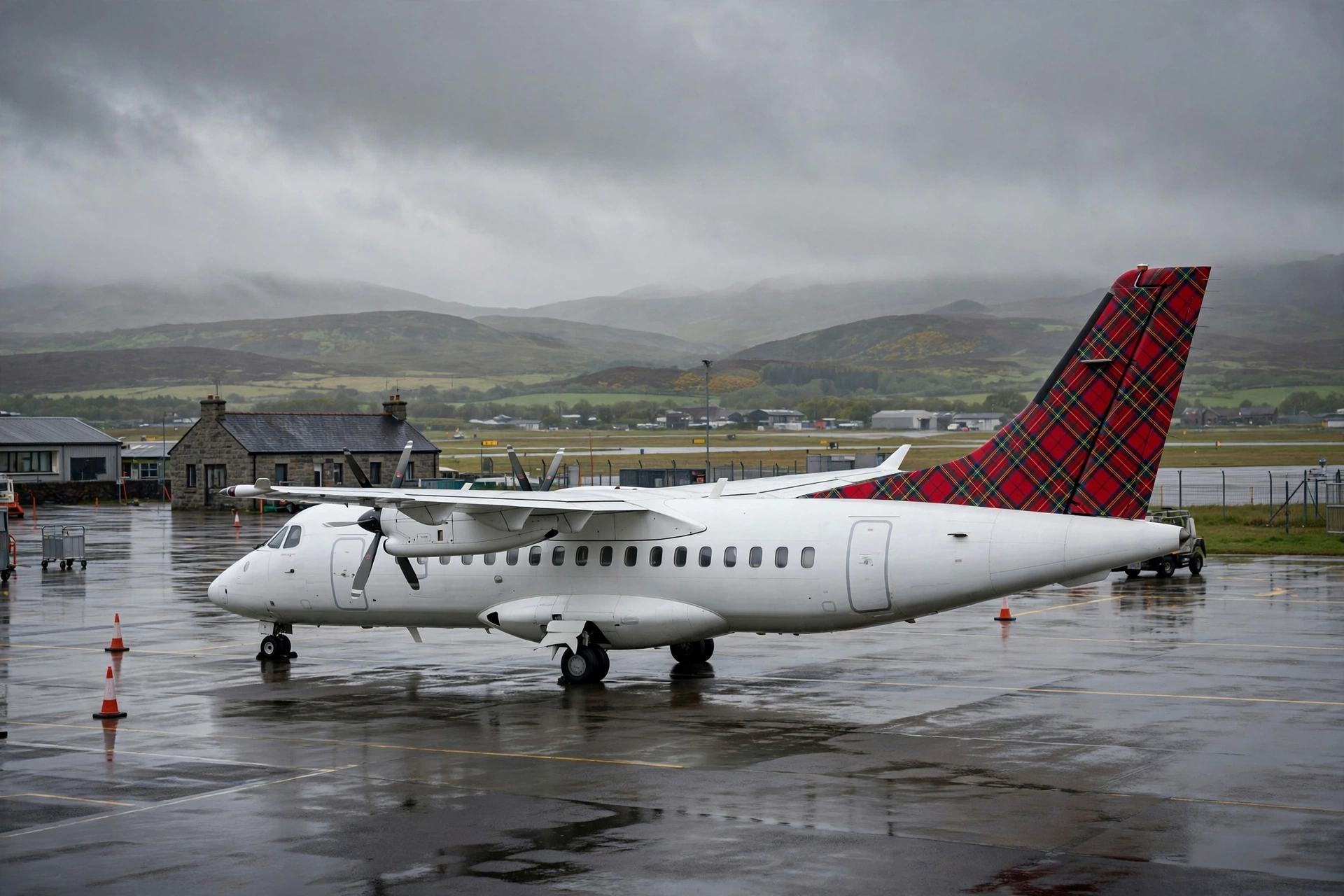
Unite’s strike ballot of more than 60 Loganair cabin crew opened on 8 October and runs until 27 October. The ballot covers crew based at Aberdeen, Dundee, Edinburgh, Glasgow, Inverness, the Isle of Man and Southampton, serving flights across the UK and Ireland.
Why crew are voting
The trigger was what Unite describes as a “final” pay offer tabled before pay negotiations had even taken place. Crew rejected it as unacceptable. The union accuses management of failing to negotiate and cites workload pressures plus job insecurity after Loganair’s August decision to stop its public service obligation routes in and out of Dundee Airport.
Unite also points to Loganair Limited’s after-tax profit of £31.6 million over the last four years, with £8.2m in 2025, £5.7m in 2024, £10.5m in 2023 and £7.2m in 2022, arguing the airline can afford a better deal. Unite general secretary Sharon Graham has pledged the union’s full support to the crew throughout the dispute.
The airline’s position
A Loganair spokesperson said the airline is disappointed, that it made an improved offer giving certainty over a two-year period in late September, and that it learned of the rejection through the media rather than from Unite. Loganair says it does not expect the dispute to affect services and remains committed to reaching an agreement.
What happens next
No new developments have emerged since the ballot opened. No strike dates can legally be announced until the ballot result is known after 27 October. If crew vote in favour, Unite must give 14 days’ notice of any strike action, which means the earliest any walkout could affect flights would be mid-November.
Loganair is a lifeline carrier on many Scottish routes, including remote island services, so passengers on those routes should watch this ballot closely. For now, the airline says services will operate as normal.