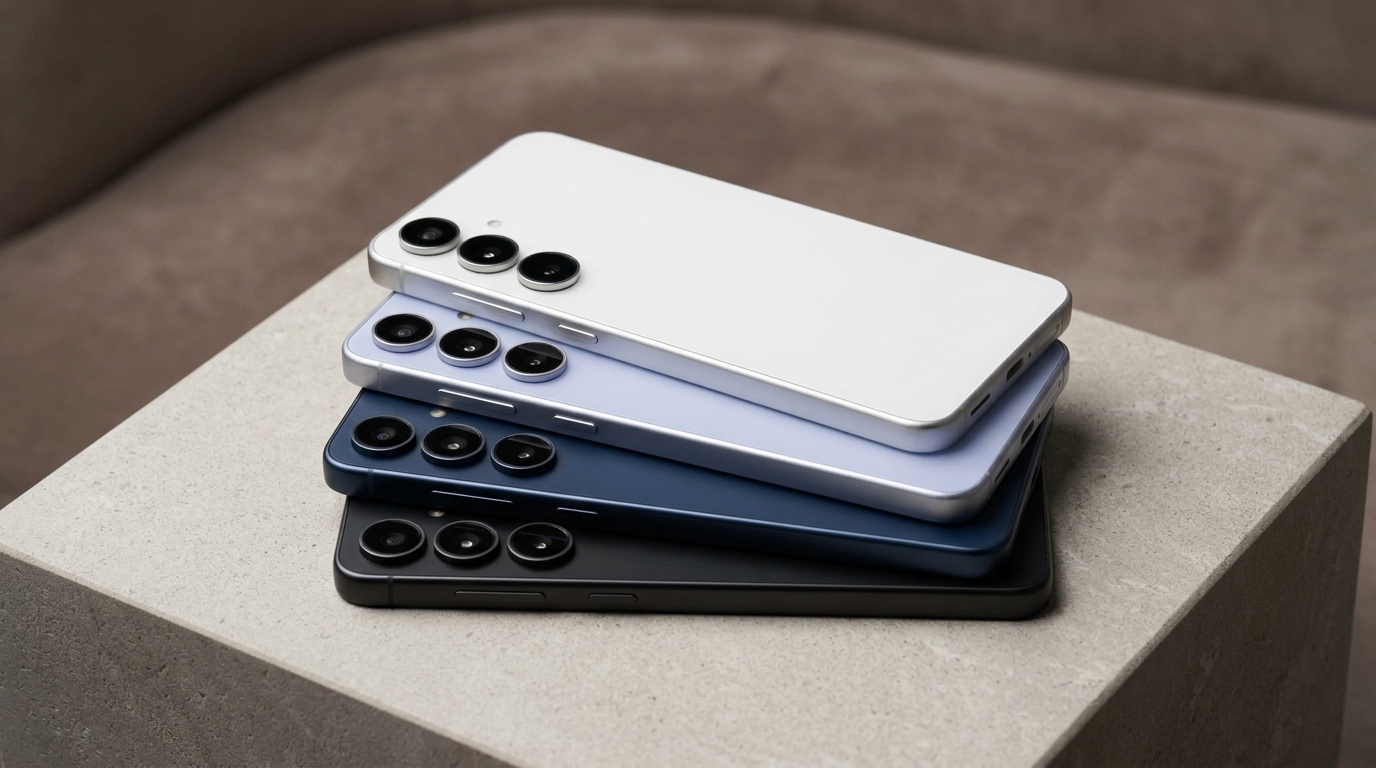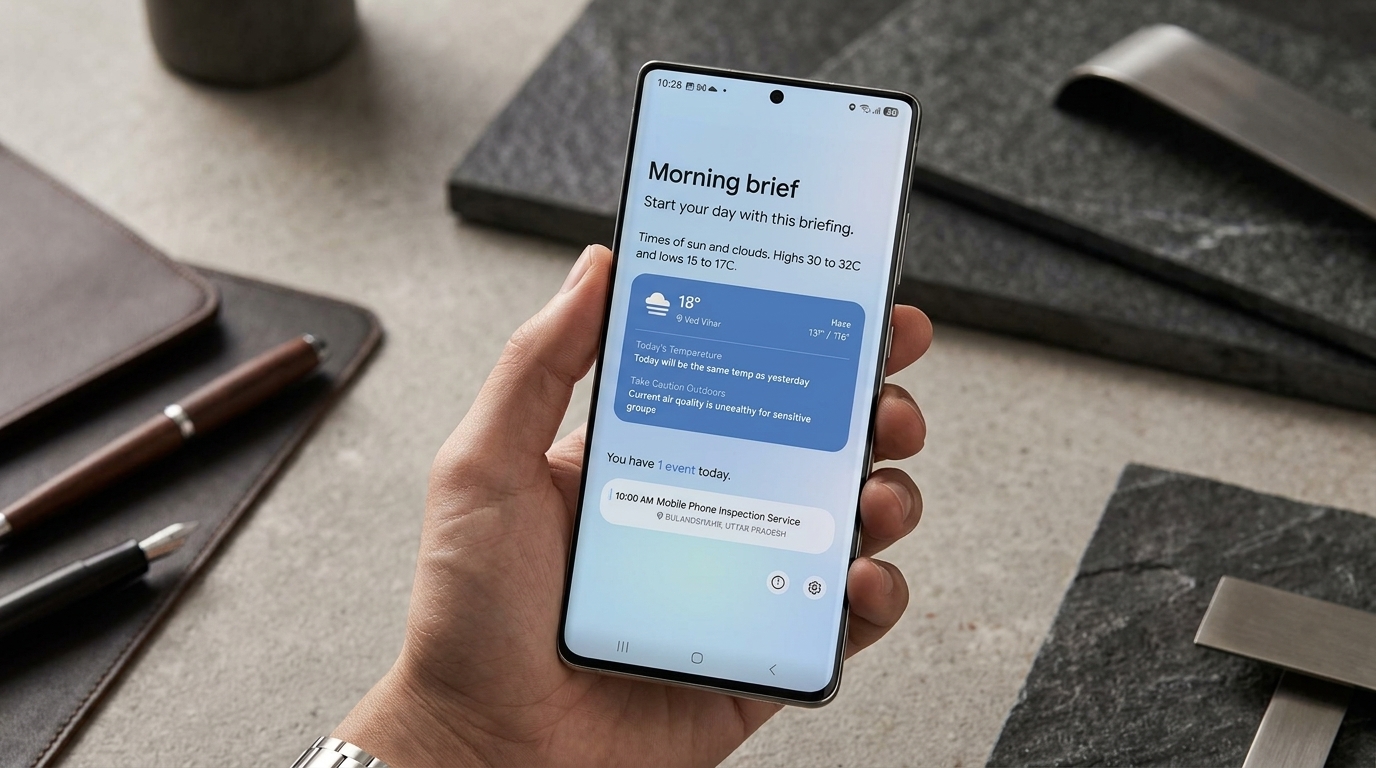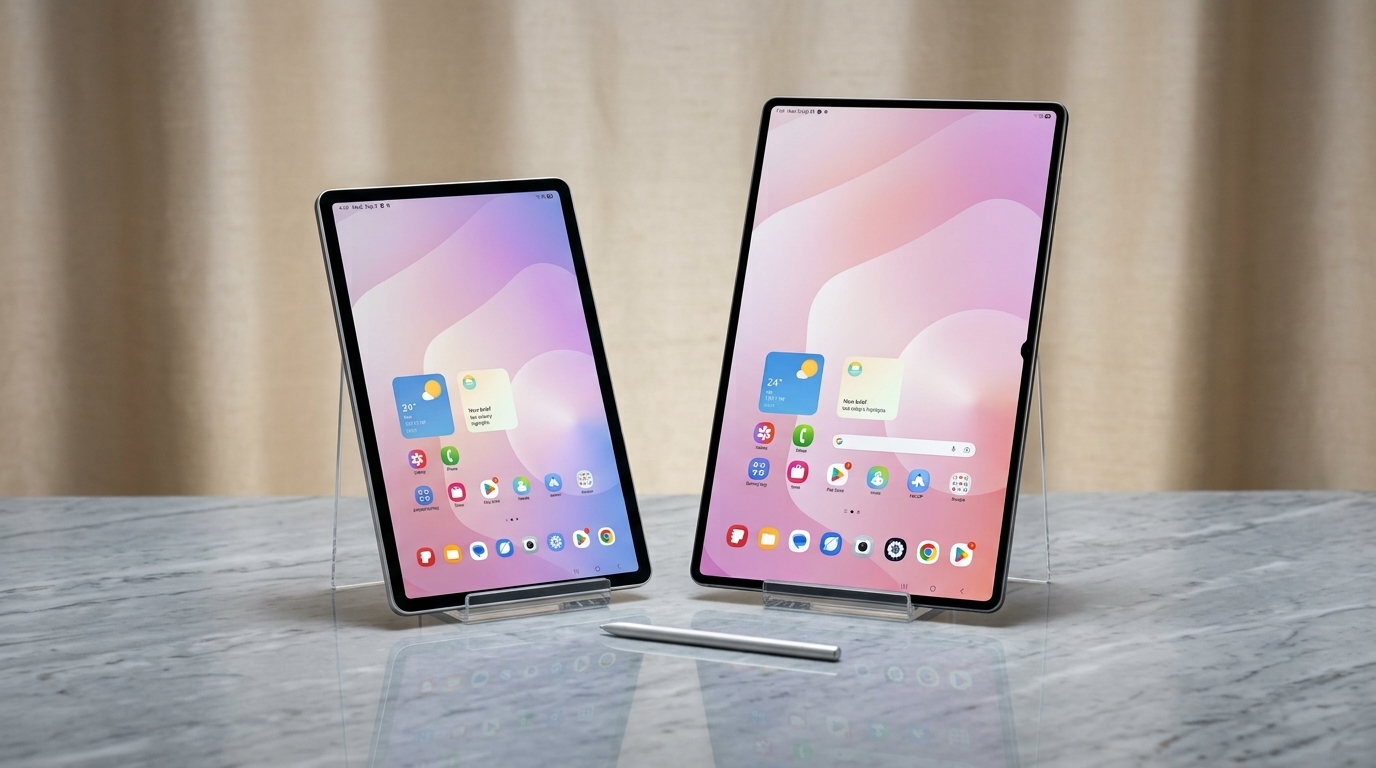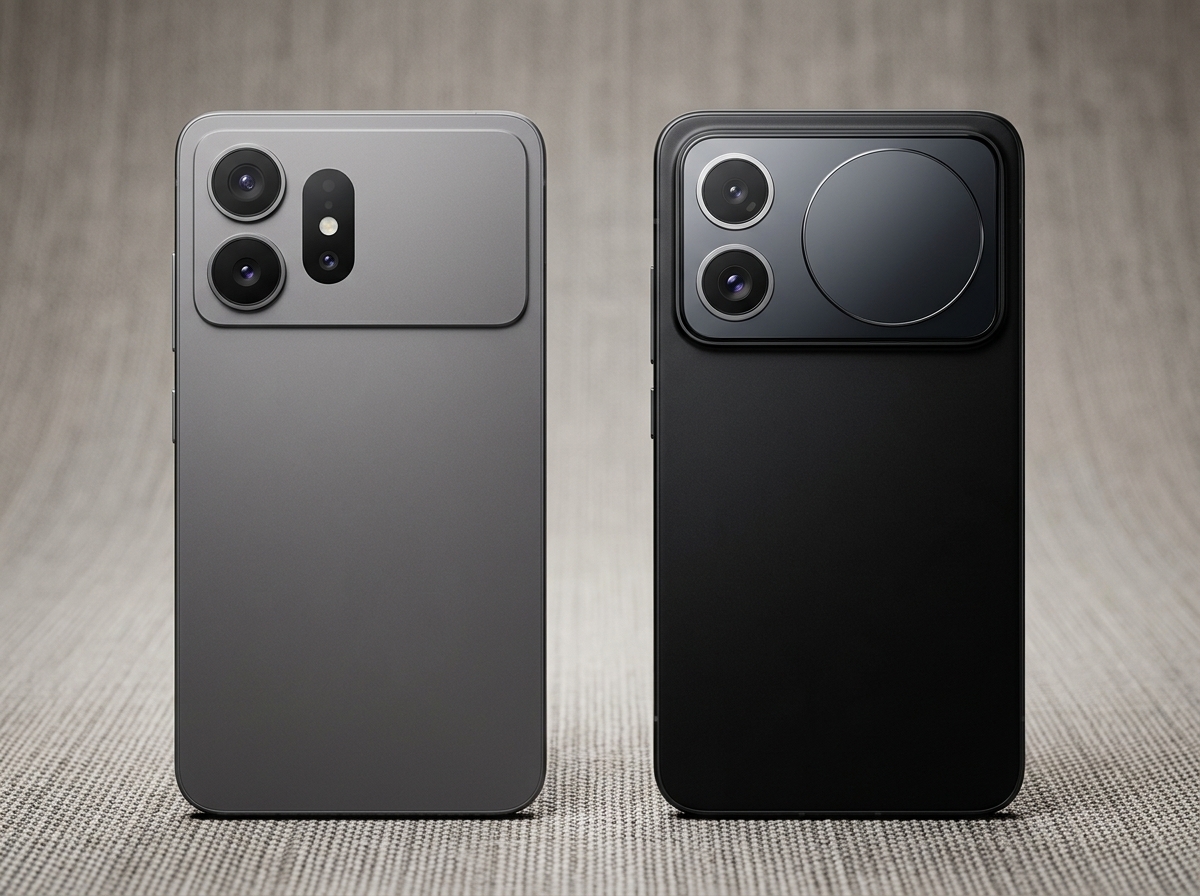


Samsung has reportedly begun development on two wide format foldables aimed at the Galaxy Z9 generation, expected sometime in 2027, a Galaxy Z Fold 8 successor story that’s already being oversimplified as it spreads. The claim originates from South Korean outlet ETNews, and has since been relayed by both Android Central and Android Authority.
Fold8 is simply Samsung’s internal shorthand for the phone most reviewers refer to as the Galaxy Z Fold 8. Of the two devices mentioned, only one has a clearly defined trait so far, an inner display aspect ratio designed specifically for widescreen video, based on unnamed industry sources cited in Android Authority’s report.
That distinction is already getting lost in translation. Many headlines are treating this as a straightforward confirmation of a Fold 8 sequel, but the actual reporting is more limited than that.
What remains unclear across both outlets is scale, specifically whether this means two entirely new devices joining the current Fold8 and Fold8 Ultra, or whether the existing wide style Fold8 simply continues on as one of the two, with a second video focused model added alongside it. Neither report’s wording clears this up.
The timing does make more sense when you consider Samsung’s recent sales performance. The Z8 series set a South Korean pre order record of 1.44 million units, marking a 39 percent increase over the Z7 generation, with Fold8 alone making up roughly 70 percent of that total, according to Android Authority.
What’s Actually Confirmed and Where the Uncertainty Lies
The two device roadmap claim traces back to a single original source. ETNews broke the story first, and both Android Central and Android Authority are citing that same report independently, meaning these are two separate write ups of one claim rather than two independent confirmations.
According to Android Authority, Samsung has reportedly shared development plans for two wide foldables with supply chain partners, targeting the Z9 generation in 2027. Only one of these two devices has a specific defined trait so far, an aspect ratio built around widescreen video playback, based on those same unnamed industry sources. The second device is mentioned only in passing, with no display size, ratio, or intended purpose attached to it yet.
This video focused concept also doesn’t appear to be a rushed response to Fold8’s strong sales. Separately from the ETNews report, a reference to a WideFoldModel was found earlier this year inside Samsung’s own test software for One UI 9, according to Android Central, suggesting the company was already testing a horizontally oriented Fold before Fold8 had even launched. In other words, Samsung seems to have been preparing software for a different form factor well before knowing how the Z8 series would actually perform in sales.
As for scale, two interpretations currently fit the available wording. Samsung could be planning two completely new form factors to sit alongside the existing Fold8 and Fold8 Ultra, or the current wide style Fold8 could simply continue as one of the two, with only the video focused variant counting as genuinely new hardware.
Neither outlet’s reporting clarifies which interpretation is correct, and pricing, launch timing, and final product names all remain unconfirmed.
None of the current reporting includes display dimensions, cover screen shape, pricing, or final naming for either device. ETNews’ sourcing describes Samsung sharing development plans with supply chain partners, which is a genuine signal of intent, but that’s still several steps removed from an actual confirmed product.
Component plans for a phone still two years away can easily shift screen suppliers, change aspect ratios, or get scrapped entirely, and Android Central’s own reporting notes that display sizes and aspect ratios could still change throughout development.
That gap between plans shared with suppliers and an actually confirmed device is where most of the remaining uncertainty in this story sits.
What a Wide Foldable Successor Could Actually Change
Fold8’s inner display currently unfolds into a fairly square 4:3 ratio, a shape Android Central describes as better suited to multitasking than to most widescreen video content.
A screen built specifically for widescreen playback would fix that mismatch, though likely at the cost of the squarer canvas that currently makes split screen multitasking so easy on the existing model.
Samsung already markets Fold8’s 4:3 display with that positioning in mind, describing it as immersive for movies, gaming, and social media once unfolded, while a rotated 3:4 orientation is reserved for reading and browsing, according to Samsung Newsroom India.
The hardware supports that messaging too. Fold8 weighs just 201 grams, making it Samsung’s lightest Fold yet, and pairs a 4,800mAh battery with a claimed 26 hours of video playback, according to Samsung.
The Galaxy Z Fold 8 Ultra, on the other hand, is built with a completely different purpose in mind. Its 8 inch display is positioned by Samsung as a workspace for multitasking and creative tasks rather than casual content consumption, based on the same release.
That distinction already shows up in pricing too, with Fold8 starting at $1,899.99 and Fold8 Ultra starting at $2,099.99, according to Samsung’s US announcement.
Samsung’s current marketing already draws a clear line between these two models, one centered around content consumption, the other around productivity.
If a video oriented third model does eventually reach the market, it would likely extend that same segmentation strategy rather than introduce a completely new category, although neither report confirms that outright.
Right now, the reported second device is simply the clearest concrete example of that strategy so far, not proof that a standalone video foldable lineup has been locked in.
Questions That Still Don’t Have Answers
One open question is whether a wider inner screen would come at the expense of the split screen multitasking that Fold8’s current 4:3 shape handles so well. Current reporting frames the squarer ratio as the stronger option for multitasking, which raises this concern for a video first successor rather than resolving it, according to Android Central.
A second, less discussed question involves how the phone would function when folded. How would a wider unfolded panel impact cover screen proportions, one handed usability, or how much space the phone takes up in a pocket once closed? None of the current reporting touches on this, so it’s better treated as an unanswered question rather than something Samsung has already solved.
The total lineup count is also still shifting depending on the source. Android Central estimates Samsung’s 2027 foldable lineup could include six devices total, two wide Folds, a regular Fold, Fold Ultra, Flip, and a TriFold successor.
Android Authority, meanwhile, counts five form factors before factoring in a separate, more speculative rollable device, which would also bring its total to six. That difference between the two counts suggests the roadmap is still evolving, rather than being a fixed number worth taking as final.
The Bottom Line
Samsung’s decision to test a WideFoldModel in software before Fold8 even launched suggests this video focused concept was already in development, independent of how well the Z8 series would eventually sell. The fact that the Z8 series went on to break pre order records simply adds momentum to a plan that appears to have already been in motion.
What’s still unclear is whether this ultimately results in two brand new form factors, or one continuing model paired with a single video first addition, and what wide will actually mean in millimeters once Samsung finalizes the design. Display dimensions, cover screen shape, pricing, and product names remain unattached to either device across every report referenced here, and Android Central’s own coverage notes that specs like aspect ratio could still change before 2027 arrives.
Whether either device actually makes it to market, and in what final form, remains the biggest question hanging over this entire story.