

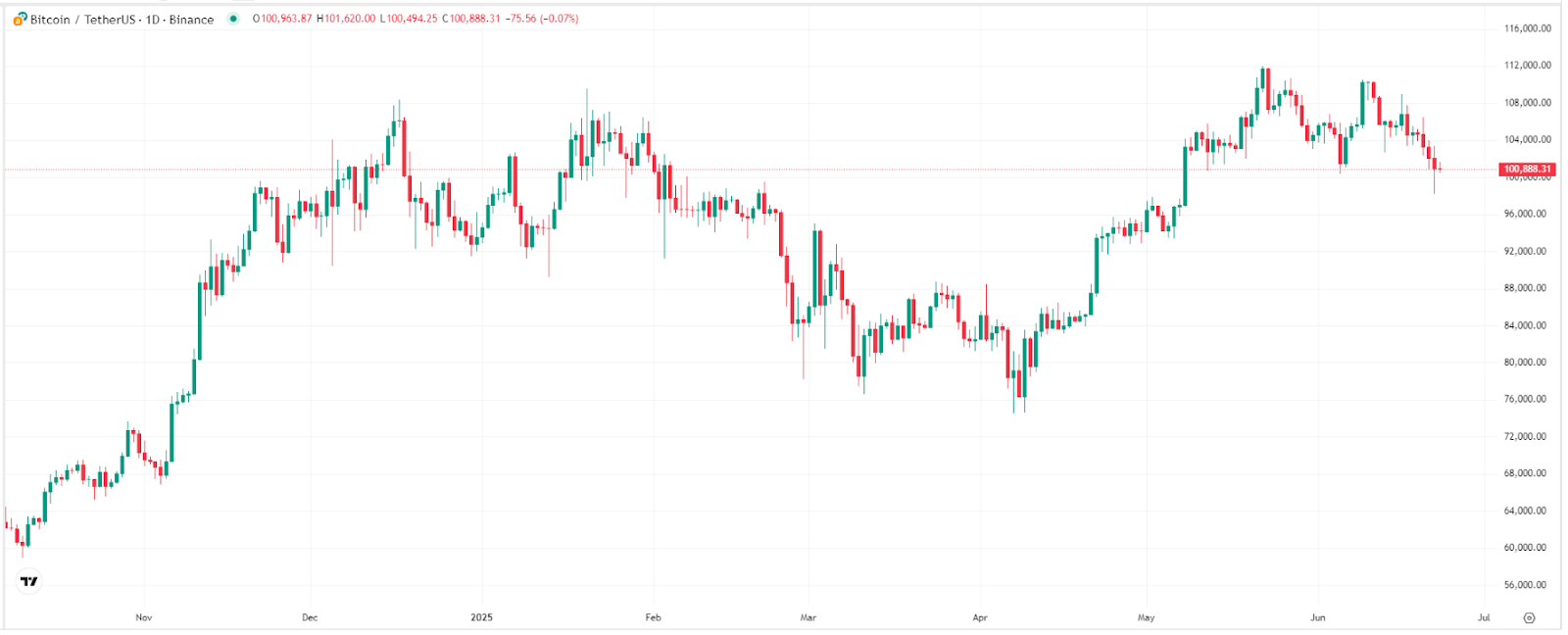
Bitcoin has slipped to around $83,050 on Thursday 8 October 2026, falling 1.4 per cent on the day as heavy outflows from US spot cryptocurrency ETFs and a broadly cautious mood across global markets weighed on digital assets. The decline extends a choppy stretch for the world’s largest cryptocurrency, which has struggled to build momentum in a week dominated by risk-off sentiment.
Spot ETF outflows sap institutional demand
Fresh data shows US spot crypto ETFs suffered net outflows of $213.4 million on 7 October, a sharp reversal that has dented one of the market’s most reliable sources of demand this year. The redemptions suggest institutional investors are trimming exposure as uncertainty builds, and the selling pressure has spilled over into spot markets. Analysts note that sustained ETF outflows have historically coincided with periods of bitcoin weakness, as the marginal buyer that lifted prices through much of the year steps back.
Weakness spreads across the market
The pullback has not been confined to bitcoin. The total cryptocurrency market capitalisation sits near $2.83 trillion, with 24-hour trading volume of $106.84 billion reflecting subdued but nervous activity. The Crypto Fear and Greed Index reads 60, a level that still signals greed but suggests confidence is cooling.
Bitcoin’s dominance of the overall market stands at 59 per cent, underscoring its role as the market’s anchor even in downturns. Ethereum has fared worse, sliding 2.7 per cent to trade near $2,578 as altcoins broadly underperformed.
Key levels: support under pressure
Traders are now watching a well-defined support zone between $82,000 and $83,000, which faces its first genuine test. A decisive break below could open the door to the psychologically important $80,000 level, where buyers defended prices in previous sell-offs. On the upside, resistance sits at $84,500 to $85,000, with a stronger ceiling near $87,000. Implied volatility has climbed to 38.39, signalling that options markets expect sharper swings ahead.
Cautious mood across traditional markets
The crypto sell-off mirrors caution in traditional finance. US equities closed softer, with the Dow Jones falling 0.66 per cent and both the S&P 500 and Nasdaq slipping 0.22 per cent, as investors weighed mixed economic signals. Commodities told a defensive story: oil rose 1.5 per cent while gold, the classic haven, gained 0.41 per cent. When haven assets rally and risk assets sag in tandem, crypto rarely escapes the downdraught.
What UK investors should watch
For British investors, several factors will shape the near-term outlook. First, daily ETF flow data remains the clearest gauge of institutional appetite — a return to net inflows would be an early sign of stabilisation. Second, the $82,000 to $83,000 support band is critical; holding it keeps the broader uptrend intact, while a break could invite a retest of $80,000.
Third, keep an eye on sterling and UK market hours. Crypto trades around the clock, but liquidity often thins during Asian hours, exaggerating moves before London opens. Finally, remember that volatility cuts both ways: an implied volatility reading of 38.39 points to outsized moves in either direction. Position sizing and stop discipline matter more than predictions in conditions like these.
Whether bitcoin finds its footing above $83,000 or slides towards $80,000, the coming sessions will reveal how much conviction remains among buyers. For now, caution is the market’s watchword.