

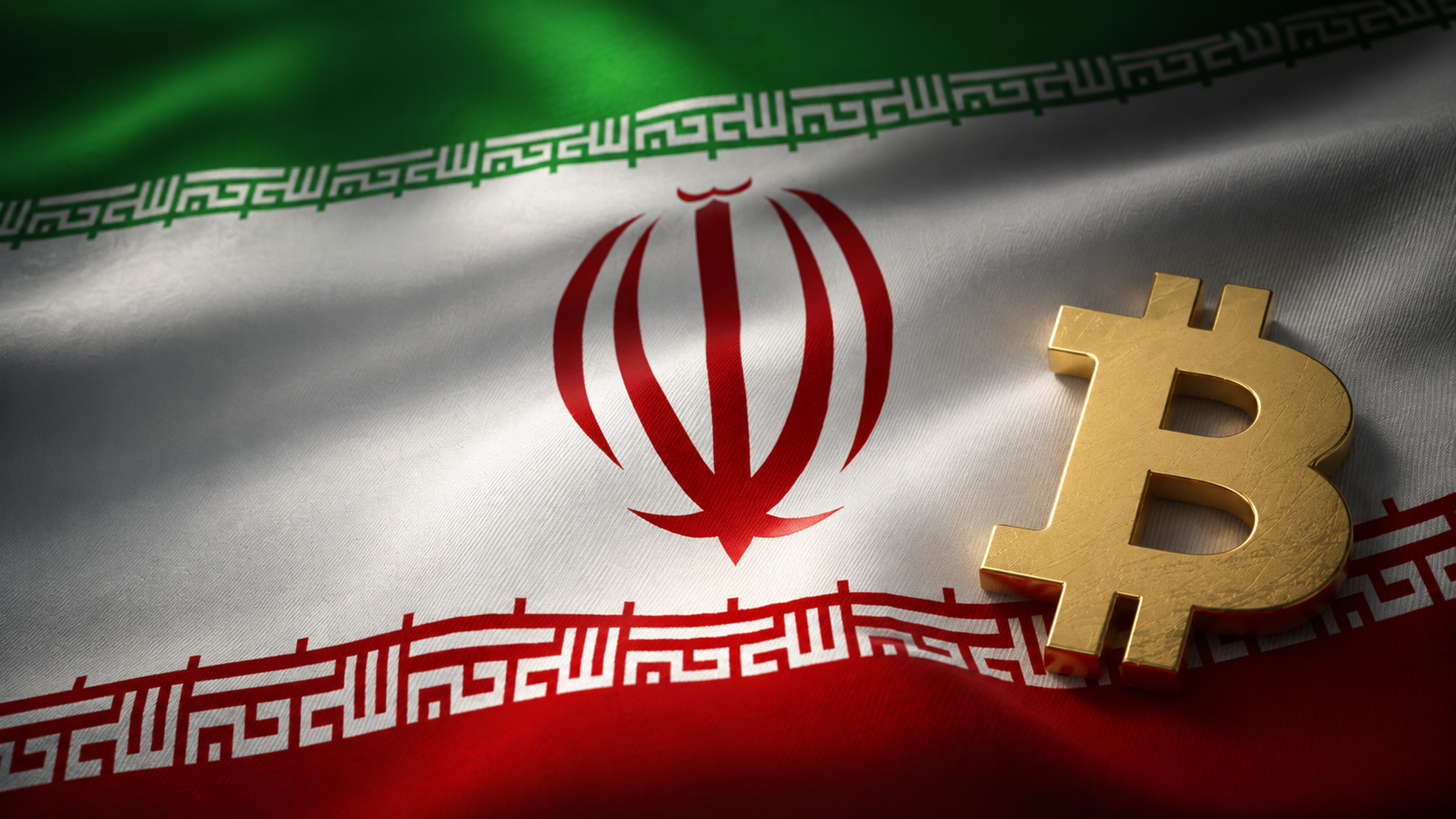
An unlicensed Dubai-based cryptocurrency exchange functioned as the central nexus for a 4 billion USD illicit financial operation that connected illegal online gambling, state-backed bitcoin mining, and the Central Bank of Iran to global digital asset markets, according to an extensive investigation released by Reuters.
The platform, known as Shelbit, funneled billions of dollars through global digital token channels despite maintaining no functional public website and operating out of a modest three-room office above a budget hotel in the Deira district of Dubai. The physical office space was registered alongside a local watch trading business. The revelation exposes critical vulnerabilities in regional anti-money laundering frameworks and highlights how sanctioned entities bypass international banking restrictions using localized OTC desks and offshore entities.
For global financial hubs, institutional digital asset desks, and compliance professionals operating across Dubai, Singapore, and Western capital markets, the exposure of this cross-border architecture signals an imminent escalation in regulatory oversight. Financial institutions in key jurisdictions like the United Arab Emirates and Singapore are bracing for intensified enforcement measures regarding third-party liquidity providers, over-the-counter crypto desks, and indirect exposure to sanctioned state actors.
Blockchain Forensics Trace Illicit Flow to Online Gambling Infrastructure
According to extensive blockchain data reviewed by journalists and analyzed by cybersecurity firm Infoblox alongside independent investigator Rich Sanders, the primary transactional volume for Shelbit originated from a Farsi-language online gambling network comprising over 2,000 websites. These digital platforms offered users access to virtual slots, blackjack, and roulette, generating vast flows of unmonitored digital currency.
The illegal gambling operations were fronted by two prominent Iranian social media personalities. Sasha Sobhani, the son of a former Iranian diplomat who resides in a luxury villa in Madrid, and Pooyan Mokhtari, an influencer and singer who was recently expelled from Dubai prior to returning to Tehran in July, served as the public faces of the network.
Both figures were convicted in absentia by an Iranian judicial panel in 2023 alongside Shelbit founder Siavash Kayvanpour in connection with illegal gambling charges. However, intelligence insiders and former regional security officers confirmed that the operational core of the network extended far beyond private criminal activity.
Former Iranian security insiders and government officials stated that the Islamic Revolutionary Guard Corps systematically co-opted online gambling over a decade ago. The state apparatus leveraged payment processing systems belonging to the Central Bank of Iran to settle transactions and route proceeds around international sanctions barriers.
“This is by far the biggest Iranian illegal gambling network ever discovered and one of the biggest in the world,” said John Wojcik, a former UN crime researcher now serving as a senior analyst at TRM Labs, in statements cited by Reuters.
Analytical firms monitoring sovereign state sanctions risks emphasize that the integration of illicit gaming portals with state-approved bitcoin mining centers provided the Iranian regime with an efficient, continuous pipeline to convert domestic fiat currency into internationally tradable digital tokens.
“When it comes to gambling, the IRGC learned the Islamic Republic’s most lucrative lesson early: declare something illegal, then control both the prohibition and the black market,” added Miad Maleki, former associate director of the US Treasury’s Office of Foreign Assets Control (OFAC).
Hundreds of Millions Funneled Through Global Virtual Asset Venues
The scope of the illicit network extended directly into mainstream digital asset liquidity pools. On-chain records reviewed by investigative teams revealed that Shelbit transferred at least 676 million USD in cryptocurrency to Binance since May 2024.
Crucially, roughly 540 million USD of those specific cryptocurrency transfers took place after Dubai authorities took regulatory action against the unlicensed entity. The continuation of high-volume digital asset flows following official regulatory enforcement underscores the operational challenges international exchanges face when attempting to detect indirect exposure through unhosted wallets and peer-to-peer liquidity networks.
Responding to inquiries regarding the transaction volumes, representatives for Binance stated that Shelbit never held a direct institutional account with the platform. The corporate spokesperson noted that incoming third-party transfers were not flagged as high-risk by automated third-party blockchain analytics tools at the time of transfer. The exchange clarified that it moved swiftly to freeze relevant user accounts and forward comprehensive reporting to international law enforcement authorities as soon as internal compliance flags were triggered.
Global Regulators and Law Enforcement Escalate Sanctions Enforcement
The fallout from the exposed network has triggered swift administrative and legal responses across multiple regulatory jurisdictions. On July 24, 2025, following formal inquiries, Dubai’s Virtual Assets Regulatory Authority issued an immediate cease-and-desist order against Shelbit. The regional regulator cited severe violations of local money laundering standards and anti-terrorism financing laws that directly threatened the overall integrity of the UAE financial system.
Concurrently, Western enforcement agencies are expanding their scrutiny of associated shell companies, offshore accounts, and fiat currency conversion gateways operating within regional free zones. A spokesperson for the US Treasury Department confirmed that the Office of Foreign Assets Control is taking the findings very seriously as part of ongoing global efforts to target and dismantle clandestine Iranian digital asset networks.
Both Sobhani and Mokhtari denied any personal or commercial involvement in money laundering, sanctions evasion, or state-backed financial operations in their official statements. Kayvanpour, representatives for the Iranian government, and local Dubai law enforcement authorities did not respond to requests for comment regarding the ongoing investigation.
Implications for Digital Asset Markets and Institutional Compliance
The exposure of the multi-billion dollar sanctions evasion scheme is set to accelerate structural changes in how virtual asset service providers operate within major financial centers. Market participants in the Middle East and Asia face heightened demands for real-time wallet screening, enhanced customer due diligence, and strict scrutiny of transaction origins.
Compliance experts anticipate that regional regulatory bodies, including Dubai’s Virtual Assets Regulatory Authority and the Monetary Authority of Singapore, will mandate more rigorous counterparty risk assessments for all over-the-counter transaction desks. As global authorities increase coordination to curb illicit capital flows, institutions dealing in digital assets must upgrade their internal monitoring frameworks or risk severe financial penalties, regulatory suspension, and reputational fallout.